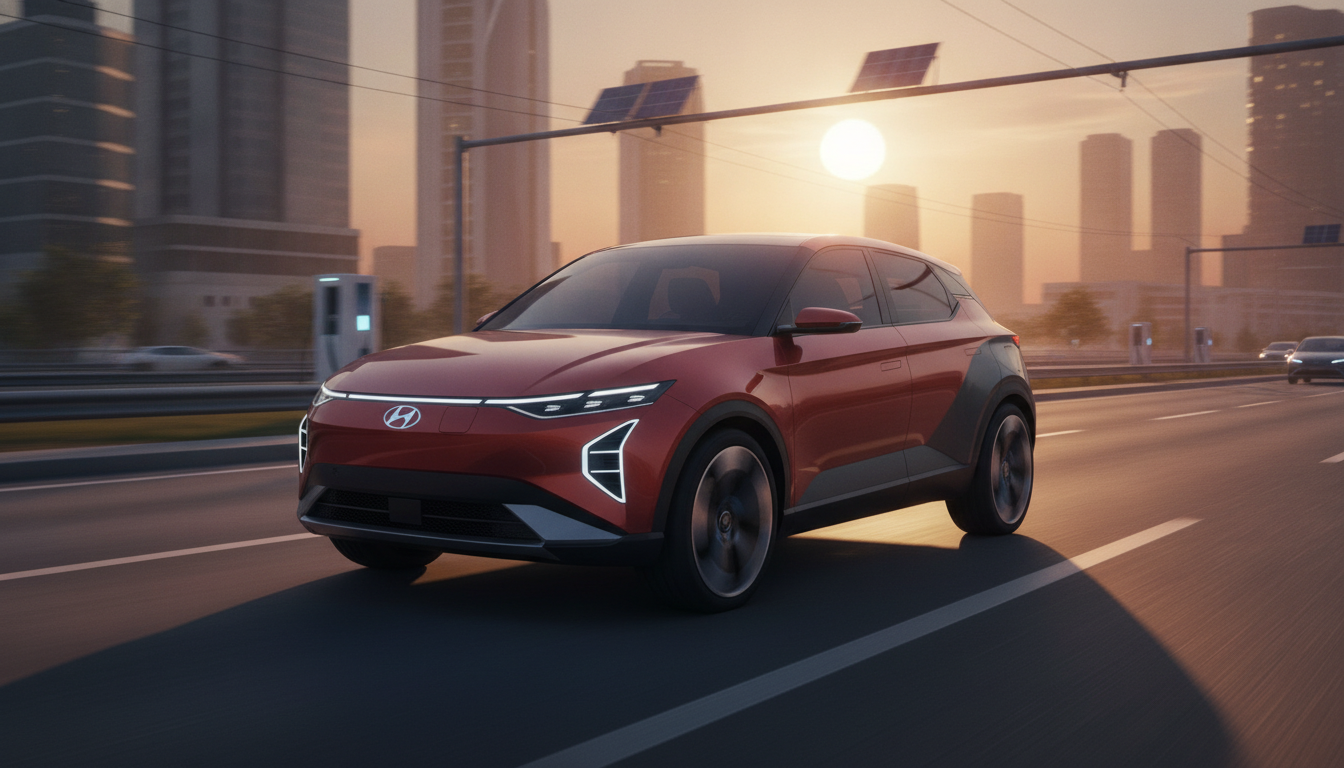

Hyundai Motor India’s plan for a locally developed mass-market electric SUV is one of the more important EV signals for Indian car buyers. The company currently sells the IONIQ 5 and CRETA Electric, but a dedicated platform aimed at a wider price band could make Hyundai’s electric strategy far more relevant to mainstream families.
Based on the latest industry reports, the upcoming model is expected to be positioned below Hyundai’s premium offerings and developed with local market priorities in mind. Hyundai has not yet announced the final name, price, battery size or launch date, so buyers should treat early specifications as expectations rather than confirmed facts.
Why Hyundai’s mass-market EV SUV matters
India’s electric-car market is moving beyond a small set of early adopters. A compact or mid-size SUV with familiar Hyundai ergonomics, strong local support and a more accessible entry price could bring EVs to households that currently compare petrol, CNG and electric powertrains on monthly running costs.
The dedicated-platform detail is significant because an EV-first architecture can package the battery, cabin and motor more efficiently than a combustion platform adapted later. That does not guarantee class-leading range, but it gives Hyundai more freedom to tune floor height, interior space, charging hardware and crash structure around electric propulsion.
Expected positioning, price and launch timeline
Hyundai has not confirmed a showroom price or a public launch schedule for this mass-market SUV. A sensible expectation is that it will sit below the CRETA Electric rather than challenge the IONIQ 5. The final price will depend on battery capacity, localised components, safety equipment, charging capability and the company’s manufacturing scale.
For shoppers, the most useful milestone will be the formal reveal of the platform or production-ready vehicle. That should clarify whether Hyundai is targeting an urban compact-SUV audience, a family-sized crossover segment, or multiple body styles from the same architecture. Until then, claims about an exact launch month or introductory price should be viewed cautiously.
What buyers should watch in the specifications
- Usable battery capacity: the usable figure matters more than the headline battery size when estimating real-world range.
- Fast-charging curve: peak charging power is less useful than the time needed to add a practical road-trip range.
- Rear-seat space: a flat floor and a genuinely comfortable second row could be decisive for Indian families.
- Battery warranty: coverage period, kilometre limit and transferability should be compared before booking.
- Safety equipment: buyers should look for a strong crash-test result, multiple airbags, electronic stability control and useful driver-assistance features.
Range and charging will decide its everyday value
Indian EV buyers increasingly understand that laboratory range is only one part of ownership. Highway speed, air-conditioning use, traffic, tyre pressure and temperature all affect consumption. Hyundai’s opportunity is to offer predictable real-world range along with a clear charging experience, rather than relying only on a large brochure number.
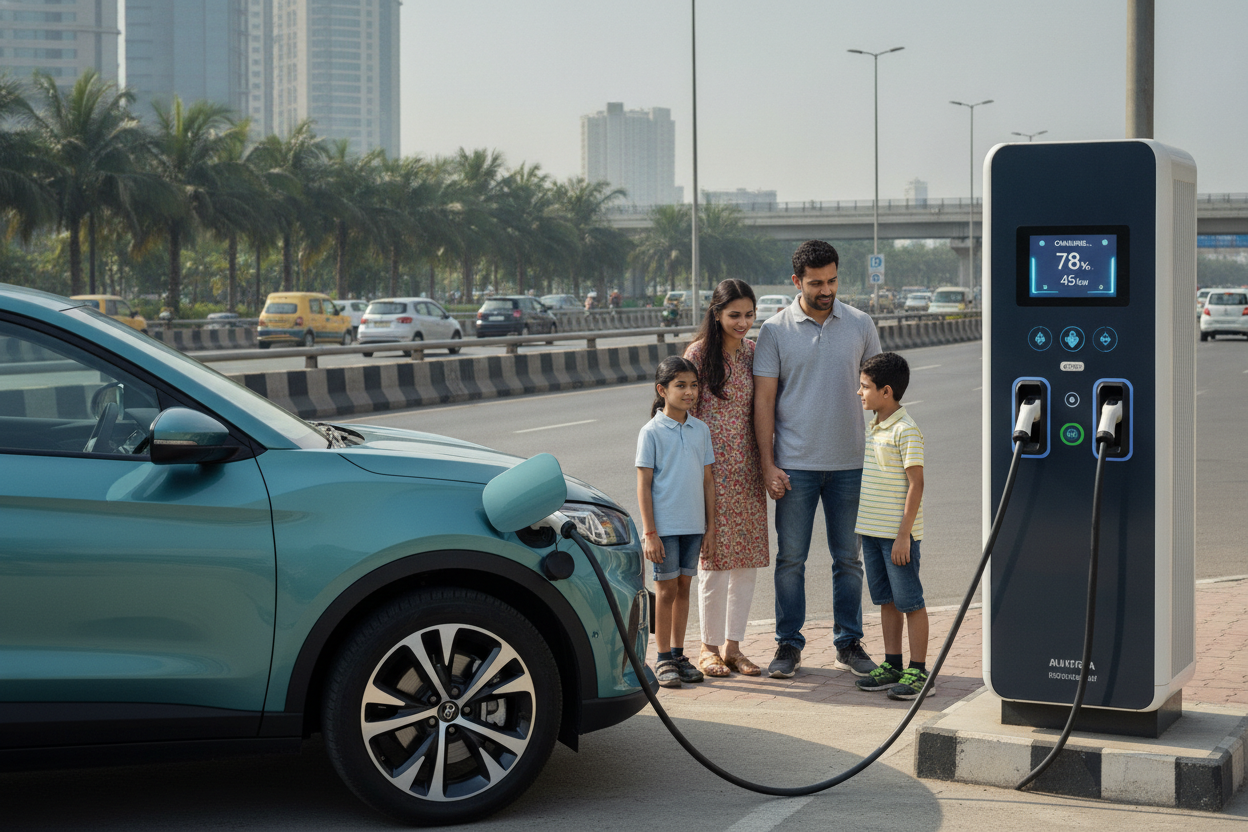
Home charging will remain the easiest option for many owners, but public charging coverage will influence buyers without private parking. A useful ownership package could include route-planning software, transparent charger availability and a service network trained to diagnose high-voltage systems quickly.
How it could compare with petrol and CNG SUVs
An electric SUV can offer quiet performance, instant response and lower routine drivetrain maintenance. Petrol and CNG vehicles still have advantages in refuelling speed, established resale patterns and long-distance convenience. The right choice will depend on annual kilometres, access to a home charger, typical trip length and the local public-charging network.
Buyers should calculate total ownership cost instead of comparing only the purchase price. Include electricity or fuel, insurance, tyres, scheduled service, financing and expected resale value. Our India EV buying guide explains the practical questions to ask before choosing an electric car.
Who should wait for Hyundai’s new EV SUV?
It may be worth waiting if you want a mainstream electric SUV, have predictable daily driving and can charge at home or work. The model could also appeal to owners who value Hyundai’s service footprint and want a vehicle designed around electric power from the beginning.
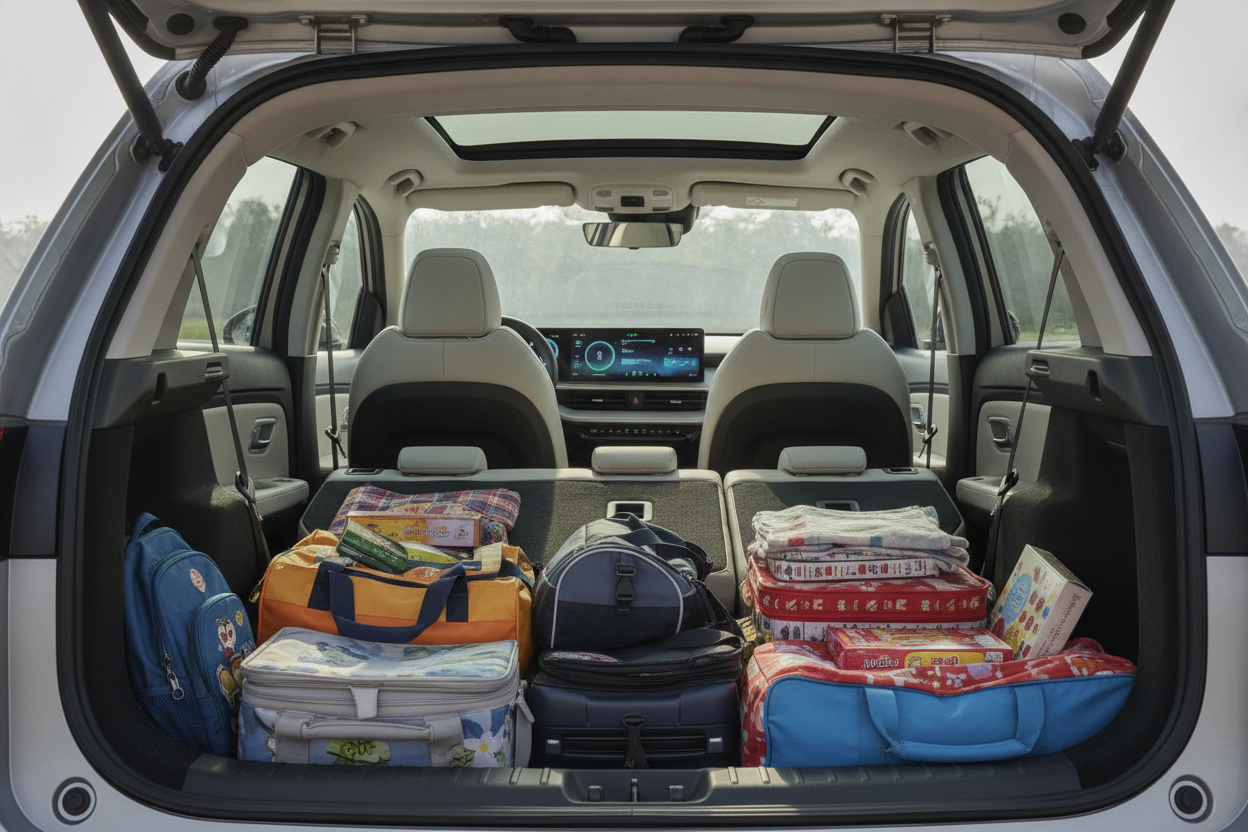
However, buyers who need a car immediately should not postpone a purchase based only on an unpriced future model. Compare currently available EVs, test the rear seat and luggage area, and verify charger access on your regular routes. Hyundai’s existing SUV product direction in India also shows why final dimensions and equipment may differ from early expectations.
Frequently asked questions
Has Hyundai confirmed the new EV SUV’s name?
No. Hyundai has discussed its future electric-vehicle direction, but the production name and complete specifications have not been officially announced.
What will the Hyundai mass-market EV SUV cost?
There is no confirmed price yet. The battery, size, equipment and degree of localisation will determine its eventual showroom positioning.
Should buyers wait for it?
Wait if you can charge conveniently and your purchase is flexible. If you need a vehicle now, compare available models on total ownership cost rather than waiting for an unconfirmed launch date.
Our verdict
Hyundai’s move toward a localised, dedicated-platform mass-market EV SUV could be more important than another premium electric launch. The winning formula will be a realistic range, quick and dependable charging, family-friendly packaging, strong safety and a price that makes the monthly ownership calculation work. Until Hyundai reveals those details, the announcement is best treated as a promising buyer signal—not a reason to book a car sight unseen.
Information in this article reflects reported industry plans available on September 9, 2026. Prices, specifications and timelines remain subject to official confirmation.
Sources
Reporting reviewed for this article includes Business Standard’s September 9, 2026 report on Hyundai India’s localised mass-market EV SUV plans, with broader launch context cross-checked against current Indian automotive coverage.