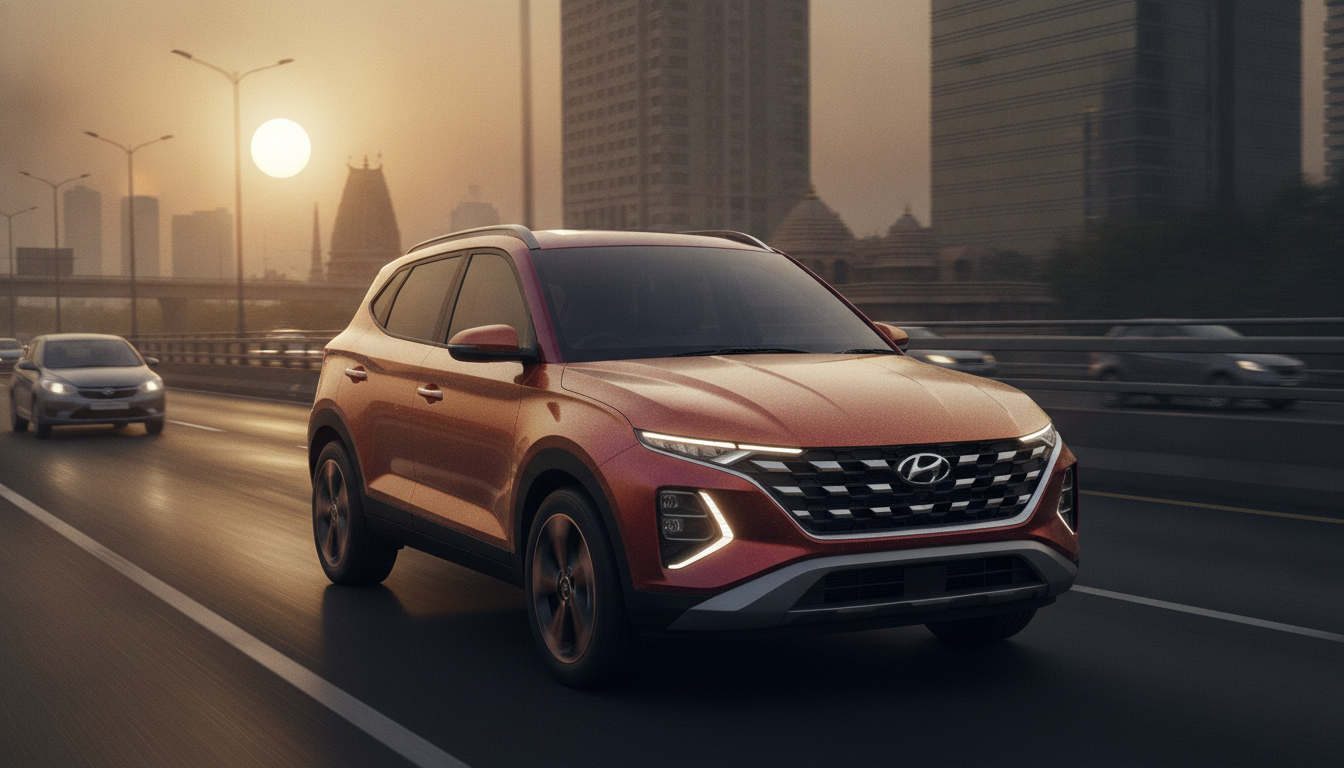

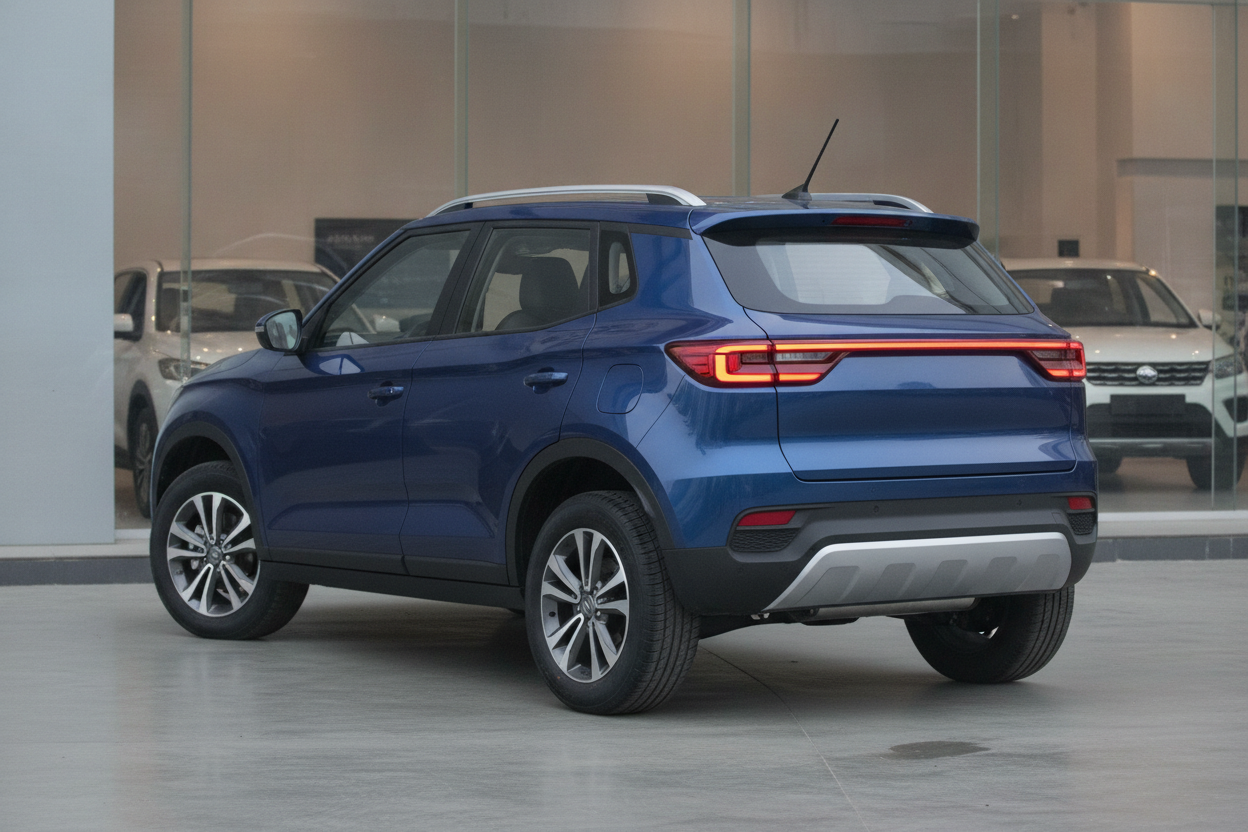
Hyundai has confirmed a new internal-combustion-engine (ICE) midsize SUV for India, and the upcoming model could become one of the most important launches of the 2026 festive season. Reports indicate that the SUV is derived from the European Bayon and will be positioned between the Venue and Creta in Hyundai’s India range.
The company has not yet announced the final name, price, specifications or booking schedule. Here is what is known so far, what remains unconfirmed, and what prospective buyers should watch before making a purchase decision.
Hyundai Bayon-based SUV India launch timeline
Live automotive search results point to a launch around September or October 2026, broadly aligning with India’s festive buying season. Hyundai’s confirmation establishes the project, but the exact reveal and delivery dates can still change. Buyers should treat October as an expected window rather than a guaranteed date until Hyundai publishes an official schedule.
Positioning between the Venue and Creta
The new SUV is expected to sit above the Venue and below the Creta, giving Hyundai another entry in India’s highly competitive midsize SUV segment. Its likely rivals will include the Maruti Suzuki Victoris and other four-metre-plus crossovers that focus on cabin space, connected features and an easy-to-drive urban footprint.
Expected engines and fuel choices
Powertrain details have not been officially released. The most likely starting point is a petrol engine from Hyundai’s existing India portfolio, paired with a manual and automatic transmission depending on the variant. Industry reports have also discussed a factory-fitted CNG possibility, but that should be considered speculation until the company confirms the fuel system and its performance figures.
An ICE SUV could appeal to buyers who want predictable refuelling and long-distance flexibility without changing to an electric vehicle. However, final mileage, boot-space impact and service intervals will matter more than the badge when comparing petrol and CNG versions.
Features to expect, but do not assume
Hyundai is likely to target a premium cabin experience with a large infotainment display, smartphone connectivity, automatic climate control, a 360-degree camera and connected-car functions on higher trims. Safety equipment could include multiple airbags, electronic stability control and advanced driver assistance features, although the exact variant-wise list is still unknown.
That uncertainty is important: equipment seen on overseas Bayon models should not be treated as confirmed India specification. Hyundai may localise the design, dimensions and feature mix for Indian costs and customer preferences.

Expected price and who should wait
Hyundai has not announced a price. Its placement between Venue and Creta suggests a broad overlap with the mainstream midsize SUV market, but the final figure will depend on engine choice, equipment and whether Hyundai offers a CNG variant. A realistic on-road budget should include insurance, registration, accessories and the cost of the selected automatic transmission rather than relying on an early online estimate.
Waiting may make sense for buyers who want a new Hyundai SUV before the festive season and are not in a hurry. Those who need a car immediately should compare tested, currently available alternatives instead of basing a purchase on an unconfirmed launch promise. Our 2026 Audi Q3 buyer guide also explains why confirmed equipment and ownership expectations matter when evaluating upcoming models.
What buyers should check before booking
- Official launch date, variant walk and ex-showroom prices.
- Crash-test rating and the standard safety kit on the base trim.
- Rear-seat width, boot capacity and real-world visibility.
- Petrol versus CNG running costs, warranty terms and service reach.
- Waiting period, introductory offers and resale expectations.
Hyundai’s recent product activity is arriving in a busy market; our India car sales analysis provides useful context on the brand and segment forces shaping buyer choices.
FAQs
When will the Hyundai Bayon-based SUV launch in India?
Current reports and Hyundai’s product confirmation point to the 2026 festive season, with September or October often cited. The exact date is not official yet.
Where will the new Hyundai SUV sit in the range?
It is expected to be positioned between the Venue and Creta, targeting the mainstream midsize SUV market.
Will the Hyundai SUV get a CNG option?
A CNG version has been discussed in reports, but Hyundai has not confirmed its availability, specifications or launch timing.
Should I wait for this SUV?
Wait if you can delay your purchase until the official price, safety kit and fuel options are revealed. If your need is immediate, compare proven models currently available rather than booking solely on speculation.
Bottom line
The Hyundai Bayon-based SUV could add a fresh petrol-focused choice to India’s midsize SUV space in 2026. Its strongest potential advantages are Hyundai’s familiar ownership network, urban-friendly positioning and a likely feature-rich cabin. Until the company confirms the name, powertrain, safety specification and price, buyers should see it as a promising upcoming model—not a finished purchase decision.
Update note: This article reflects live search reporting available on August 27, 2026. Specifications, dates and prices will be updated when Hyundai issues official details.
Keywords: Hyundai Bayon-based SUV India 2026, new Hyundai SUV launch, Hyundai midsize SUV, upcoming SUVs in India.