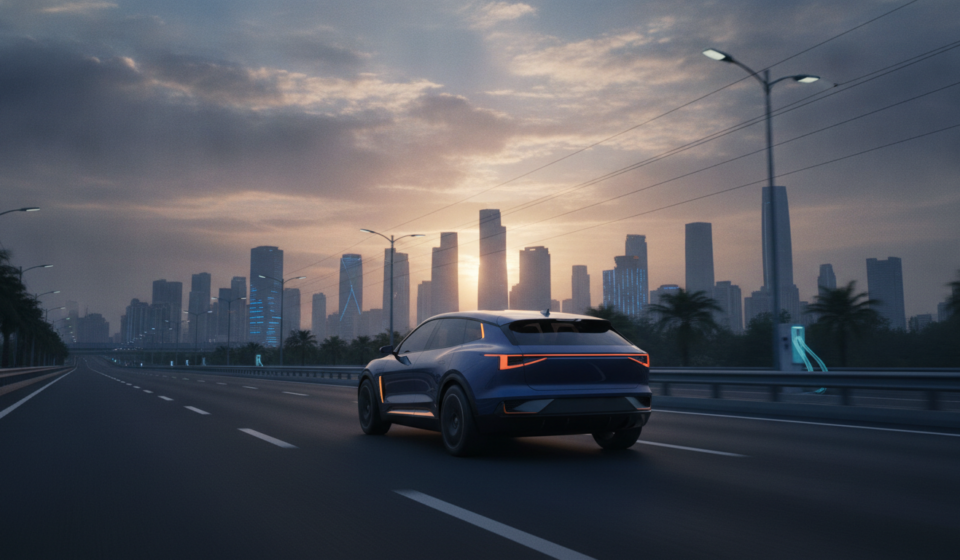

India’s electric-car calendar is becoming much more crowded. A current market listing updated on September 18, 2026 points to near-term arrivals ranging from the compact VinFast VF3 to premium models such as the Volvo EX90, while Mahindra, Hyundai and Tata are also expected to add important EVs. For buyers, the interesting question is no longer simply whether an electric car is coming; it is which launch deserves attention, and what should be verified before paying a booking amount.
This guide separates reported launch expectations from confirmed specifications. Prices and dates are indicative until each manufacturer announces them for India, so treat the calendar as a shortlist for research rather than a promise.
The electric cars expected to shape late 2026
- Volvo EX90 and ES90: The current listing places both premium Volvo EVs around October 12, with indicative prices of ₹1.20 crore and ₹1.10 crore respectively.
- VinFast VF3: Expected around October 18 at an indicative ₹10 lakh, it could attract city buyers looking for a small EV, although range, safety equipment and after-sales coverage will matter more than the headline price.
- Mahindra Thar E: Expected in November at roughly ₹25 lakh, this is the watch-list option for buyers who want an electric SUV with a more rugged identity.
- Hyundai IONIQ 6 and Inster: Both are listed for November, but they serve very different audiences: the IONIQ 6 is a premium long-distance sedan, while the Inster is positioned as a smaller urban EV.
- Tata Safari EV: Expected in December at around ₹32 lakh, it may be especially relevant to families waiting for a three-row electric SUV from an established Indian manufacturer.
What buyers should verify before booking
1. Real-world range and charging curve
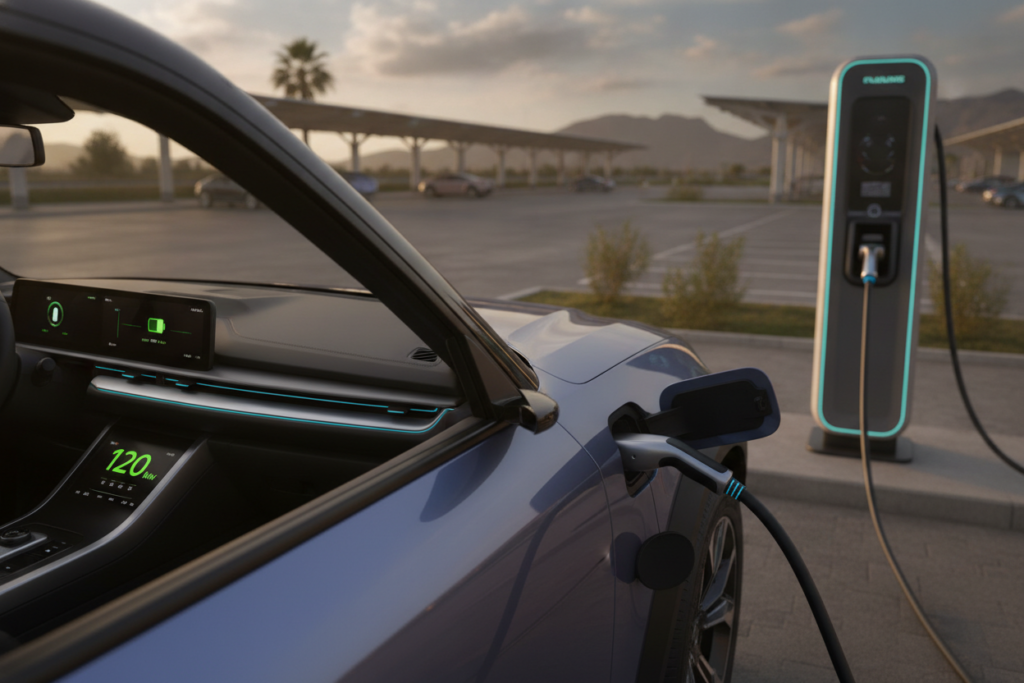
Do not compare only the advertised range. Ask for the battery capacity, expected highway range, DC charging time from 10 to 80 percent and the charging power the car can sustain. A vehicle that briefly reaches a high peak may still charge slowly in practice if its curve drops sharply.
2. Local service and roadside support
A new EV can be compelling on paper but inconvenient if the nearest trained workshop is several hours away. Before booking, confirm the city-wise service network, roadside assistance coverage, battery warranty, exclusions and the process for software or charging faults.
3. Home-charging feasibility
Apartment residents should check whether parking is assigned, whether the housing society permits a dedicated connection and who pays for cabling. Independent-home buyers should confirm the sanctioned load and installation distance. These practical details can change the ownership experience more than a small difference in claimed range.
Which upcoming EV type fits which buyer?
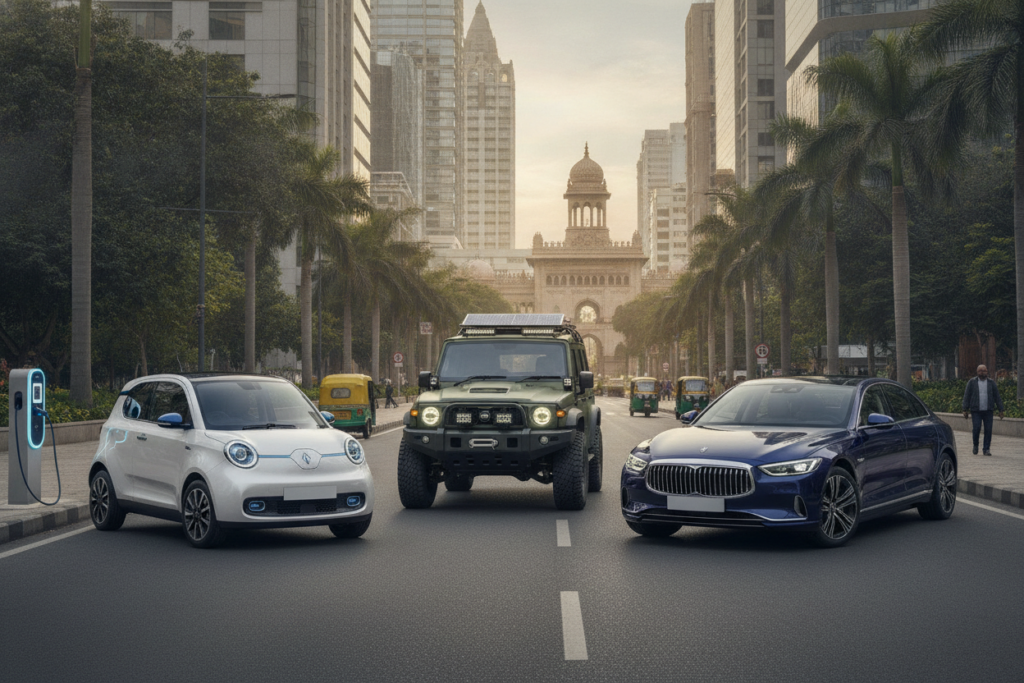
A compact model such as the expected VF3 may suit a first-time urban EV owner with predictable daily travel and access to charging. A family buyer should focus on rear-seat space, boot capacity, highway charging density and usable third-row room rather than the badge alone. Premium models such as the EX90 or IONIQ 6 will appeal to buyers who value performance, technology and long-distance comfort, but they also need a premium service experience to justify their cost.
For context, readers comparing this wave of launches with current products can also review our guide to Hyundai’s mass-market EV SUV outlook and our analysis of what a new EV platform means for buyers.
Should you wait for a 2026 electric-car launch?
Wait if your current car is reliable, you need a specific body style that is not yet available, or you want to compare battery warranties and charging networks as more brands arrive. Buy an existing EV if your daily use is clear, a nearby model already meets your range needs and the total cost is attractive after insurance, financing and installation.
The bottom line for Indian EV buyers
The updated launch calendar suggests that late 2026 will offer more choice across budgets and body styles, but expected dates and prices can move. Shortlist the cars that match your use case, then wait for official India specifications, a physical inspection, a test drive and a written ownership-cost estimate. That process is more reliable than booking solely because a model appears first on a launch list.
FAQs
Which upcoming electric cars are expected in India in late 2026?
Current market listings point to the Volvo EX90, Volvo ES90, VinFast VF3, Mahindra Thar E, Hyundai IONIQ 6, Hyundai Inster and Tata Safari EV, among others. Their dates and prices remain indicative until confirmed by the manufacturers.
What is the most important check before booking an upcoming EV?
Check whether the car’s real-world range, charging support and service network fit your regular routes. Also confirm the battery warranty and home-charging installation requirements in writing.
Are the launch prices in this guide final?
No. The figures are indicative market estimates. Final ex-showroom prices, variants, equipment and launch dates should be confirmed from the manufacturer’s India announcement.