

India’s car market is entering the second half of 2026 with a busy launch calendar and sharply different performance across manufacturers. July sales data reported by automotive media points to growth for major players including Tata Motors, Mahindra and Hyundai, while Nissan recorded a particularly notable year-on-year jump. For buyers, the important question is not simply which brand sold the most cars. It is what this momentum says about product freshness, waiting periods, resale confidence and the ownership support available after delivery.
What changed in India car sales in July 2026?
The latest July picture is best read as a story of uneven momentum rather than a single market-wide boom. Tata Motors, Mahindra and Hyundai were among the manufacturers highlighted for growth, while Nissan’s reported 218% rise stood out from a smaller base. Monthly dispatches can be affected by stock, discounts, model changeovers and fleet orders, so one month should not be treated as a permanent ranking. It does, however, show where manufacturers currently have products and dealer networks that are attracting attention.
- Mahindra: SUV demand and a strong upcoming-product pipeline keep the brand prominent for family and lifestyle buyers.
- Tata Motors: Its mix of SUVs, hatchbacks and electric models gives buyers several powertrain choices in popular price bands.
- Hyundai: A broad portfolio and established service footprint remain important strengths in urban and family markets.
- Nissan: The sharp percentage increase is encouraging, but buyers should also examine absolute volumes, dealer availability and the exact model driving the change.
Why brand momentum matters to a buyer
Sales momentum can provide useful context before a test drive. A well-supported model is more likely to have easier access to parts, trained technicians and a deeper used-car market. Strong demand can also mean longer waiting periods or fewer discounts, however. Conversely, a slower-selling model may offer a generous deal but deserve closer checking on service reach, resale prospects and the manufacturer’s future product plan.

Which buyers should pay attention right now?
First-time SUV buyers should compare rear-seat comfort, boot usability and real-world fuel economy rather than relying on the tallest stance or longest features list. EV shoppers should assess home-charging access, daily running distance and fast-charger availability; our India EV buying guide covers those ownership questions in detail. Buyers planning a purchase within the next few weeks should also compare current discounts with the impact of the newer launches discussed in our upcoming India car launches guide.
A practical July sales checklist before booking
- Ask for the full on-road price, including insurance, registration, handling-related charges and accessories.
- Take the exact variant for a meaningful drive and test the clutch, automatic response, visibility, ride comfort and braking.
- Request the written waiting-period estimate and confirm the manufacturing month before accepting delivery.
- Compare two insurance quotes and understand the cost of consumables, extended warranty and service packages.
- Check whether the boot, rear seat and child-seat points suit your family; a popular model is not automatically the right fit.
- Calculate the EMI using a comfortable monthly budget. A discount should never push the purchase beyond your emergency-fund plan.
Should you buy now or wait for the next launch?
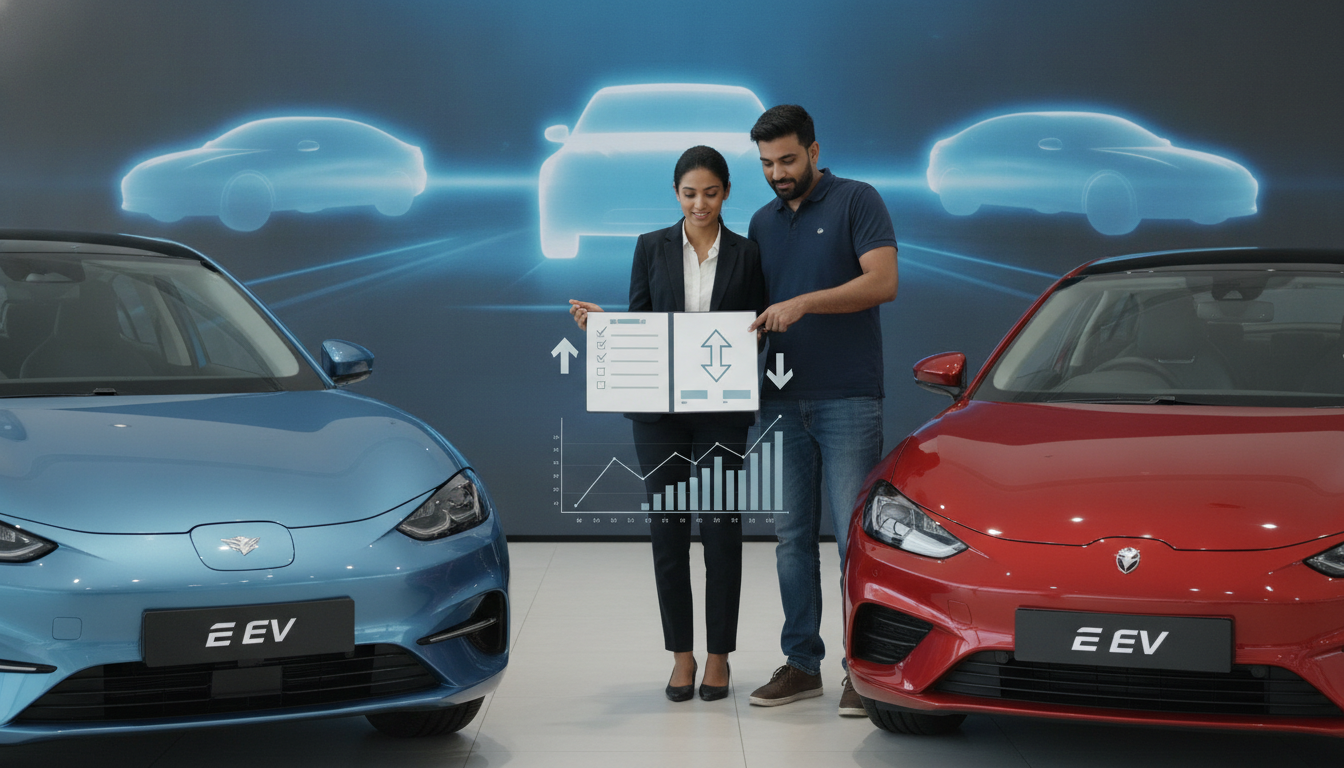
Buy now if your current vehicle is unreliable, your preferred model has a confirmed delivery window and the price fits your budget. Waiting can make sense if you are flexible on brand, want to compare a fresh facelift or expect a new powertrain to arrive in your segment. Do not postpone a well-researched purchase solely because a sales chart changed for one month. The right decision depends on the total cost of ownership, safety equipment, usage pattern and the quality of support in your city.
Frequently asked questions
Does a higher sales number mean a car is better?
No. Sales can reflect discounts, fleet purchases, supply and the size of a brand’s range. Use the number as a research signal, then evaluate safety, comfort, reliability and service costs.
Why should percentage growth be read carefully?
A large percentage increase from a small base may still represent fewer vehicles than a modest increase from a high-volume manufacturer. Always look for both the percentage and the absolute sales context.
What is the most important check before delivery?
Inspect the vehicle against the booking documents, verify the VIN and manufacturing month, check for transport damage, and confirm that the promised variant and accessories are present before registration.
Bottom line
July 2026’s brand-wise growth is a useful snapshot of where India’s auto market has energy, but it is not a buying shortcut. Mahindra, Tata and Hyundai’s momentum, along with Nissan’s eye-catching percentage increase, should encourage shoppers to compare products and support more closely. Build a shortlist around your driving pattern, test the actual variants, negotiate the complete on-road cost and buy only when the ownership math works.
Market figures and launch context are based on live automotive news and search results available in August 2026. Sales numbers can be revised by manufacturers or industry bodies.