Honda Activa e Metro Rental at Delhi ITO: How Battery Swapping Could Solve the Last Mile

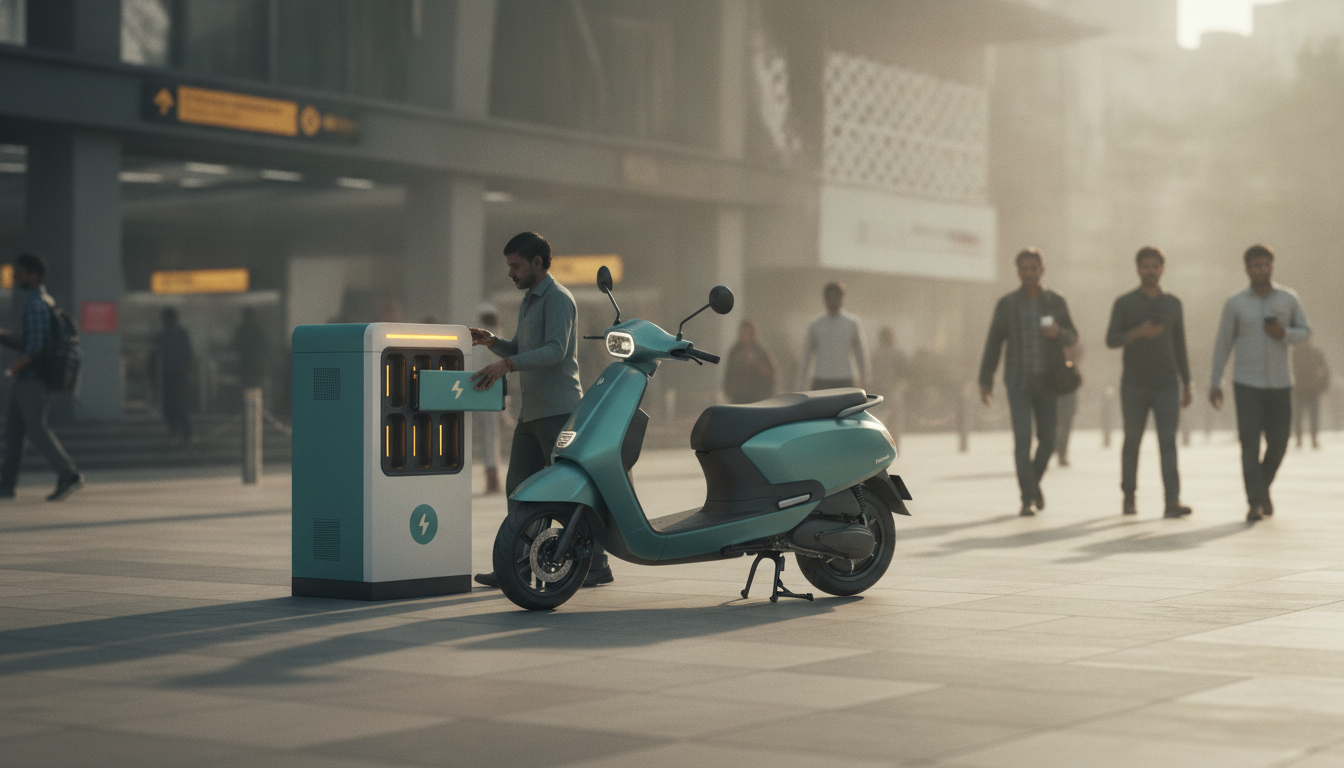
Delhi Metro electric scooter rental: Bhago Mobility has launched its BhaGoMo iRide service at Delhi Metro’s ITO station, offering Honda Activa e rentals with battery swapping. The idea is simple: use the metro for the long leg of a journey and pick up an electric scooter for the last mile. For commuters, this could be more useful than owning a second vehicle—but only if the service is convenient, transparent and available when they need it.
What is the Honda Activa e metro rental service?
The service is a station-linked electric two-wheeler rental proposition launched by Bhago Mobility in partnership with Honda Motorcycle & Scooter India and Honda Power Pack Energy India. The ITO Metro location is designed to connect public transport with short-distance road travel. Instead of taking an auto-rickshaw or booking a cab for every short trip, eligible users can rent an electric scooter for the onward journey.
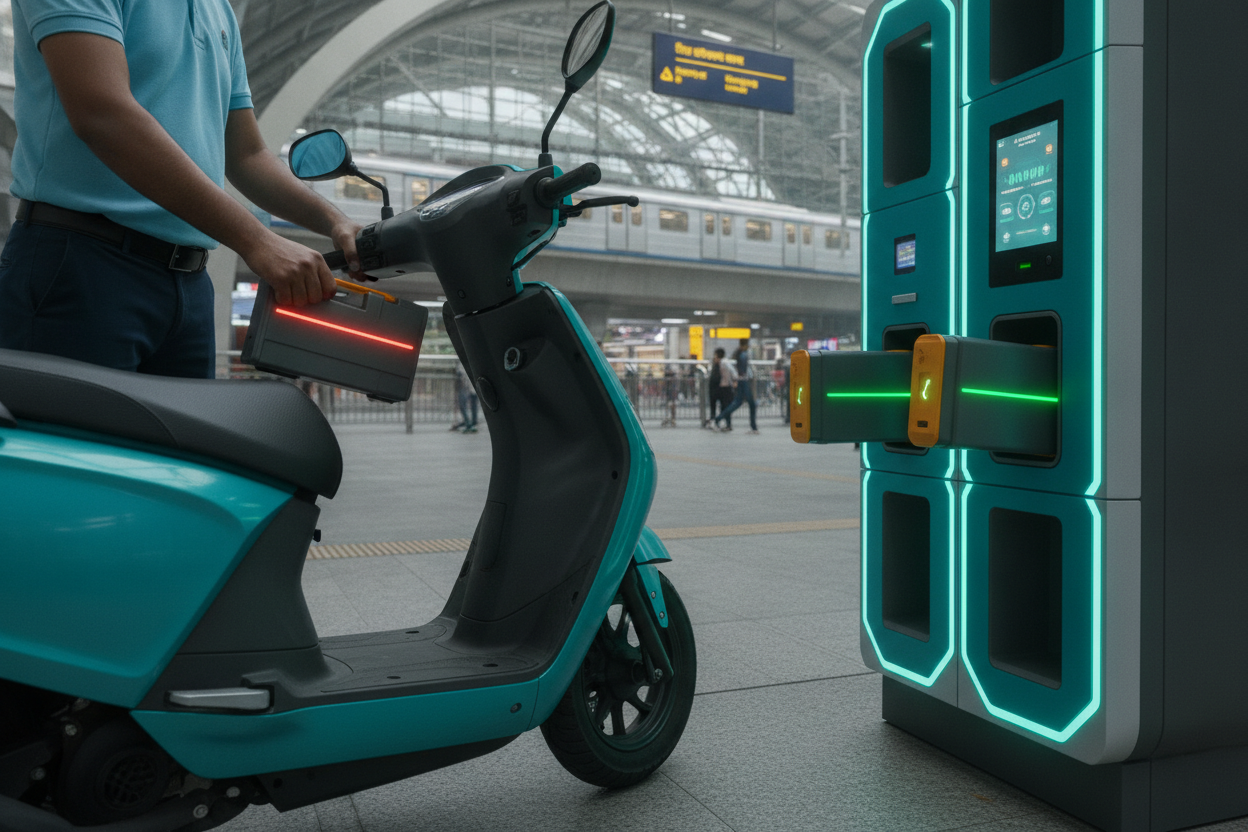
The partnership also brings battery swapping into the operating model. That matters because a rental fleet cannot afford long charging downtime during busy commuter hours. Rather than waiting for a scooter to recharge, an operator can exchange a depleted battery for a charged one at a compatible swapping point.
How the rental and battery-swap model works
Users generally need to find the service point, complete the operator’s onboarding and rental process, and collect a scooter for the permitted trip. The precise fare, documents, operating hours, riding zone and security-deposit rules should be confirmed in the service’s current app or at the ITO counter before booking. Those details can change as the pilot expands, so commuters should not assume that a promotional launch announcement is a permanent price list.
For the operator, the workflow is different from a private EV. Scooters must be inspected, positioned near the station, tracked through the rental system and returned in usable condition. Battery swapping can keep vehicles moving, but it does not remove the need for fleet balancing, maintenance and safe parking.
Who could benefit most?
- Daily metro commuters: people travelling beyond a comfortable walking distance from ITO may save time on the final leg.
- Occasional city users: visitors and workers who do not want to own or maintain a scooter can access one only when needed.
- Businesses near the station: short employee or delivery trips may become easier without adding another petrol vehicle.
- EV-curious riders: a rental is a low-commitment way to experience electric acceleration, silence and battery logistics before buying.
What to check before booking
Check the total cost rather than only the headline rental rate. Ask whether the bill includes time, distance, unlocking, parking, insurance, taxes, late return or damage charges. Confirm the acceptable licence and identity documents, helmet availability, breakdown support and the exact return boundary. A scooter that is inexpensive for a 20-minute ride can become poor value if the booking has a high minimum duration or if parking is restricted at the destination.
Battery condition is another practical question. A swap station may provide a full battery, but the rider should still understand the displayed range and what happens if the scooter is returned outside the designated zone. Take a quick walk-around video or photographs before riding, especially when the operator’s damage policy is unfamiliar.
Why this matters for India’s urban EV market
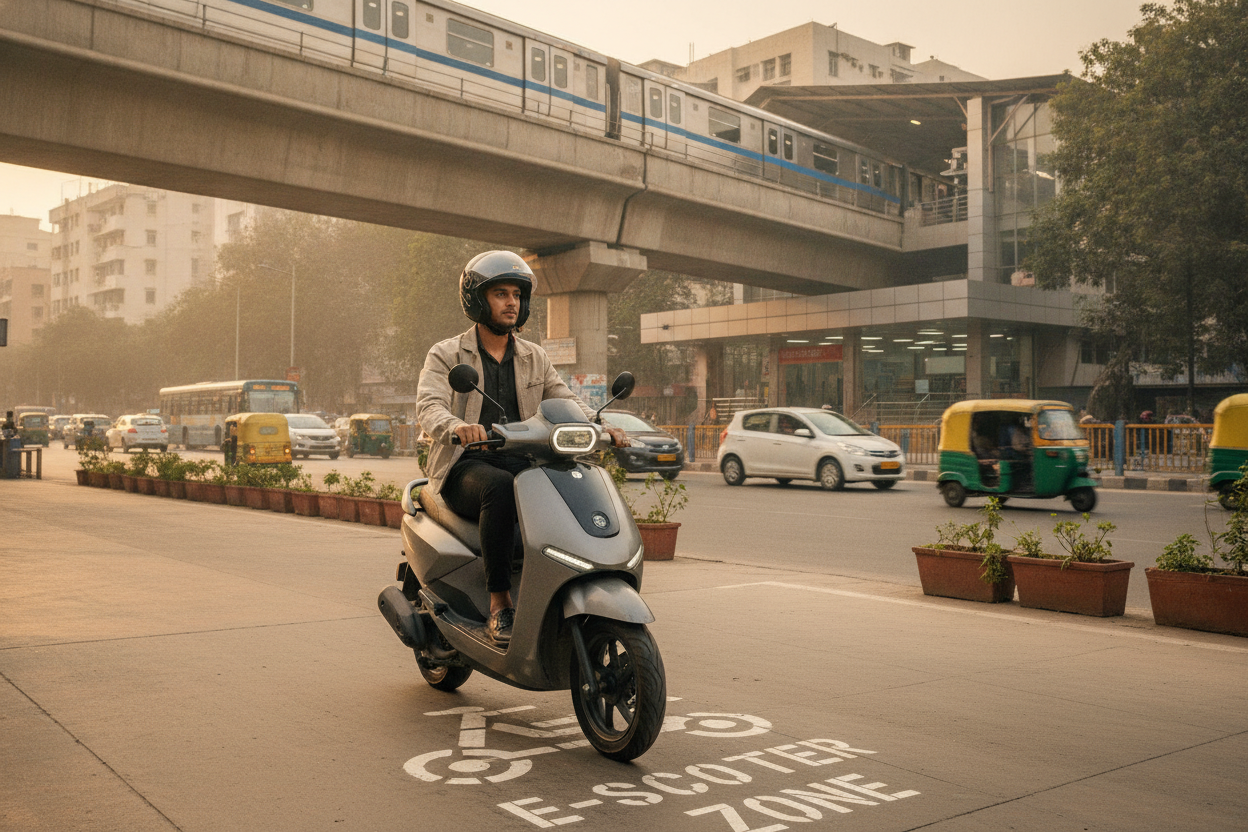
Station-based rentals test an important EV use case: combining electric two-wheelers with mass transit rather than treating them as a replacement for every car or motorcycle trip. They can make metro networks more useful, reduce dependence on short cab journeys and demonstrate that battery swapping is valuable where vehicles operate intensively.
However, one station is not a citywide mobility solution. The experience will depend on fleet availability, reliable swaps, safe riding infrastructure and a dense enough network of pickup and drop points. If the service expands, transparent pricing and consistent vehicle standards will be just as important as the scooter’s specifications.
Should commuters try it?
For a short, planned trip beginning or ending near ITO, the service is worth comparing with an auto-rickshaw or cab—provided the scooter is available and the complete fee is clear. It is less suitable for riders who need unrestricted range, long-distance travel or a vehicle waiting outside the station all day.
Anyone considering an electric scooter purchase should treat a rental as a practical test, not a substitute for a full ownership calculation. Our India EV buying guide covers the broader questions around charging, running costs and ownership. For readers comparing future urban SUVs and crossovers, our Hyundai Bayon-based SUV buyer guide provides a separate look at a larger-vehicle use case.
Bottom line
Bhago Mobility’s Honda Activa e rental at Delhi Metro ITO is a focused experiment in connecting an electric scooter, a metro station and battery swapping. Its value will be measured less by the launch announcement than by everyday execution: can a commuter find a charged scooter, understand the price, ride safely and return it without friction? If the answer is consistently yes, this model could become a useful template for last-mile EV mobility in other Indian transit hubs.