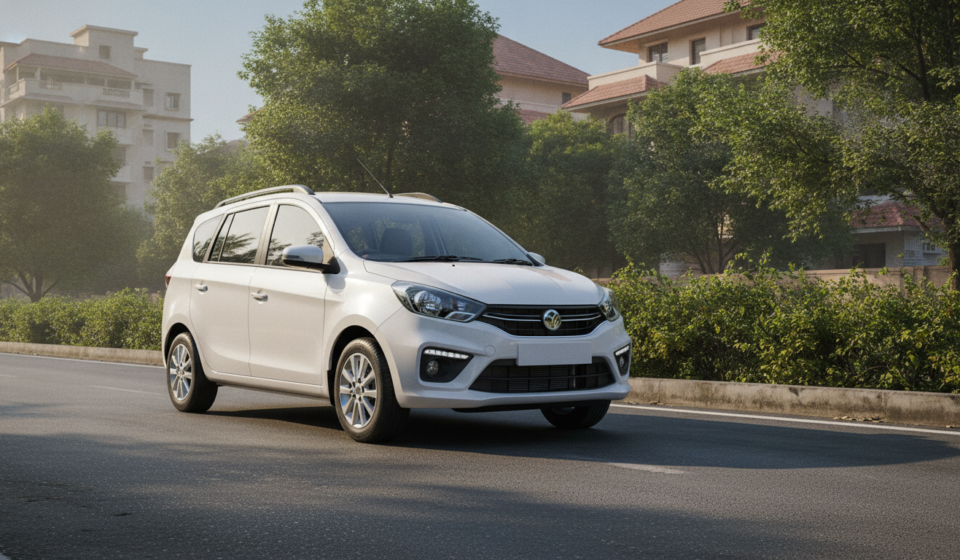

The Renault Triber has long stood out for offering seven seats at an accessible price, but its naturally aspirated petrol engine can feel strained when the cabin is full. A turbo-petrol version is expected by the end of September 2026, alongside a factory-fitted CNG option, according to current launch reporting. For families considering the MPV, the important question is not simply whether it gets more power: it is whether the new choices improve loaded drivability without compromising value, space or running costs.
What is expected to change?
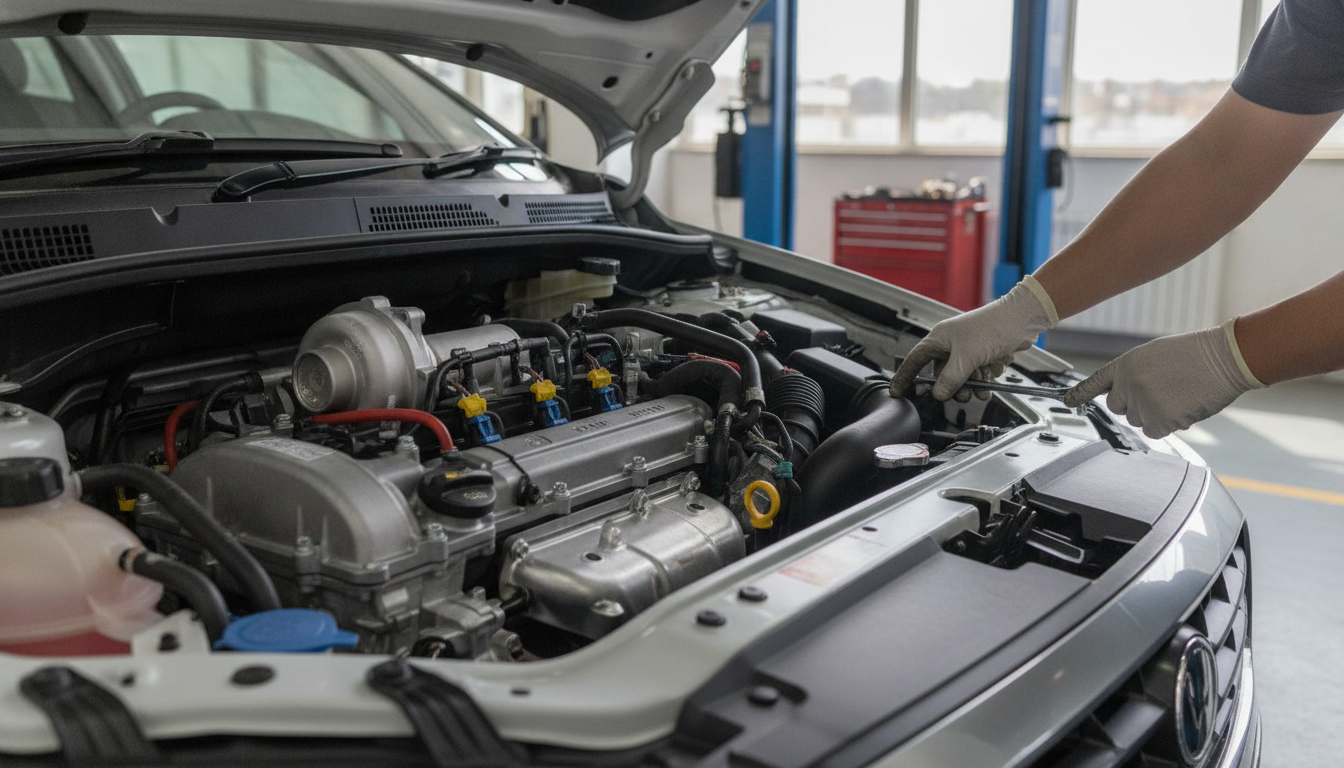
Autocar India reports that the Triber is expected to receive Renault’s 1.0-litre, three-cylinder turbo-petrol engine, derived from the unit used in the Kiger. In the Kiger, this engine is offered with a five-speed manual or CVT and produces about 100hp and up to 160Nm. Those are reference figures, not confirmed Triber specifications. Renault has not yet confirmed the Triber’s final state of tune, gearbox choices, fuel-efficiency figures or price premium.
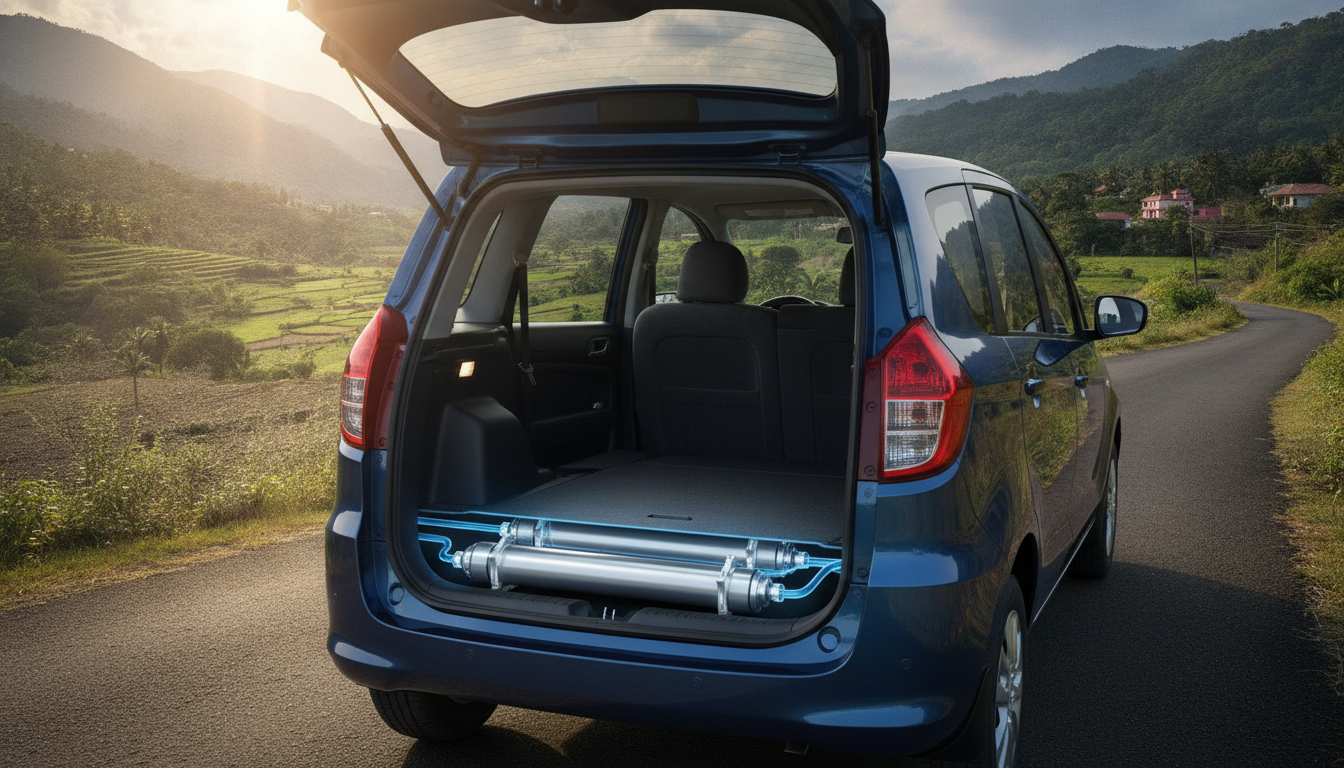
The same report says a factory-fitted CNG version is planned, with two cylinders positioned beneath the boot floor to preserve luggage usability. Transmission availability and the exact launch date remain unconfirmed. Treat these as reported plans until Renault publishes its official specifications and prices.
Why extra torque could matter in a seven-seater
Peak power figures do not tell the whole story in a family MPV. With six or seven occupants, air-conditioning on and bags aboard, the car needs flexible low- and mid-range response for merging, climbing and overtaking. A turbo engine could reduce the need to work the naturally aspirated motor hard, but buyers should judge the actual car on a test drive—especially with a realistic passenger load if a dealer can arrange one.
Turbo-petrol or CNG: which should a family consider?
The turbo-petrol version may suit buyers who regularly travel with passengers, use highways or want more confident acceleration. The CNG option may appeal to high-mileage urban users prioritising fuel spend, but the savings depend on local CNG prices, availability, annual distance and the final kit warranty. Do not assume the turbo and CNG can be combined in one variant; the available report does not establish that.
Will dual-cylinder CNG preserve boot space?
Placing cylinders under the boot floor is a promising packaging approach, but the real test is how much usable luggage room remains with all three seating rows in use. Families should inspect the underfloor compartment, loading lip and access to the spare wheel or repair kit. Bring the bags, stroller or school equipment you actually carry, and check whether the third row is practical for the intended passengers. A clever cylinder layout is useful only if it works with the family’s normal load.
What could it cost—and what should buyers verify?
Recent reporting puts the current Triber range at roughly ₹5.81 lakh to ₹8.53 lakh ex-showroom. That is a reference for today’s naturally aspirated line-up, not a confirmed price for the turbo or factory-CNG versions. A stronger engine and factory CNG hardware could raise the purchase price; wait for the official variant-wise price list rather than relying on speculative estimates.
- Confirm which variants get the turbo engine and whether manual and automatic choices are offered.
- Ask for certified fuel-efficiency figures and the exact CNG warranty and service schedule.
- Check boot capacity with the CNG cylinders and all seats configured as your family will use them.
- Compare the on-road premium with your annual kilometres and local petrol/CNG prices.
- Test drive on a route that includes a slope, a highway merge and slow traffic; check noise, clutch or CVT behaviour and loaded response.
- Get the delivery date, insurance, accessories and any introductory offers in writing.
Verdict: wait for the price list, then choose by usage
The expected turbo-petrol Triber addresses a clear buyer concern: whether an affordable seven-seater has enough reserve for family trips. The reported factory dual-cylinder CNG option could add a lower-running-cost alternative while aiming to protect boot space. Neither benefit is proven until specifications, prices and real-world packaging are confirmed. If you need a car immediately, assess the current Triber on its own merits; if you can wait, compare the official turbo and CNG variants against your typical passenger load, annual distance and budget. For readers comparing powertrain choices more broadly, see our guide to alternative-fuel running costs and our electric-car buyer checklist.
Frequently asked questions
When is the Renault Triber turbo expected to launch?
Current reporting says it is expected by the end of September 2026. Renault’s precise launch date and booking details should be confirmed through an official announcement.
How powerful will the Triber turbo be?
The Kiger’s related 1.0-litre turbo engine makes about 100hp and up to 160Nm, but Renault has not confirmed the Triber’s output. Do not treat the Kiger figures as final Triber specifications.
Will the turbo Triber get an automatic gearbox?
The Kiger engine is available with a manual and CVT, but the Triber’s gearbox options have not been confirmed in the report. Check the official variant list before booking.
Is a factory-fitted CNG Triber also expected?
Yes. Reporting says Renault plans a factory-fitted CNG option with dual cylinders under the boot floor. Availability, price, mileage and warranty details remain to be announced.
Should I wait for the new Triber or buy the current one?
Wait if stronger loaded performance or factory CNG is central to your decision and you can defer purchase until specifications and prices are official. Otherwise, test the current version with your typical passenger and luggage needs, then compare its value with alternatives.
Information is based on launch reporting available on September 25, 2026. Figures and features for the upcoming Triber turbo/CNG variants are provisional until confirmed by Renault.