
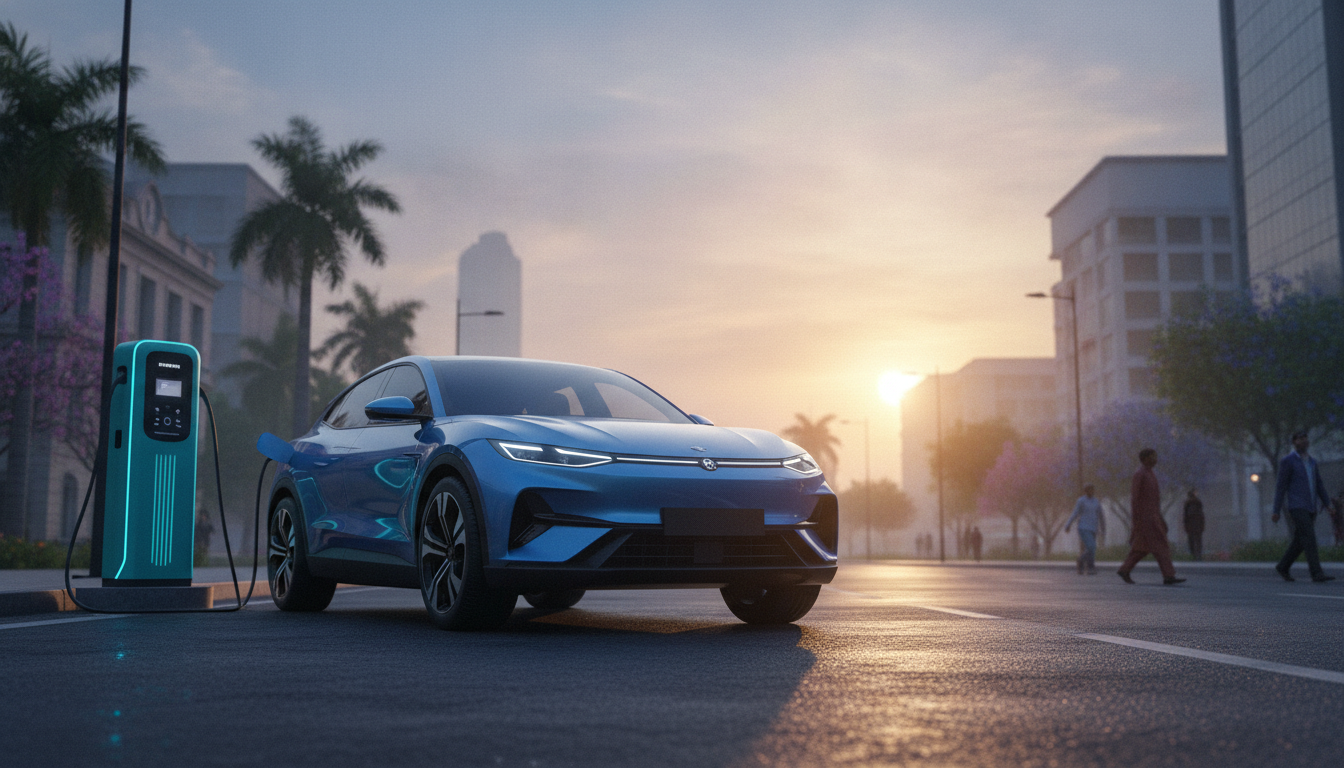

India’s electric-car market is entering a more practical phase. Rising fuel costs are making monthly running expenses a bigger part of the car-buying decision, while recent market reporting indicates that electric cars crossed a meaningful adoption milestone. ICRA data reported by ETAuto put passenger-vehicle EV penetration at about 6.5% in Q1 FY27, up from 4.6% in FY2026. That does not mean an EV is automatically the right choice for every driver—but it does make a careful EV-versus-petrol calculation worthwhile.
Why more Indian buyers are considering EVs now
Fuel-price anxiety is no longer just a talking point: it directly affects the cost of commuting, school runs and weekend travel. At the same time, a growing choice of electric hatchbacks, sedans and SUVs has made EVs easier to compare with mainstream petrol cars. The strongest case is usually for an owner who drives regularly, can charge at home or work, and plans to keep the car for several years.
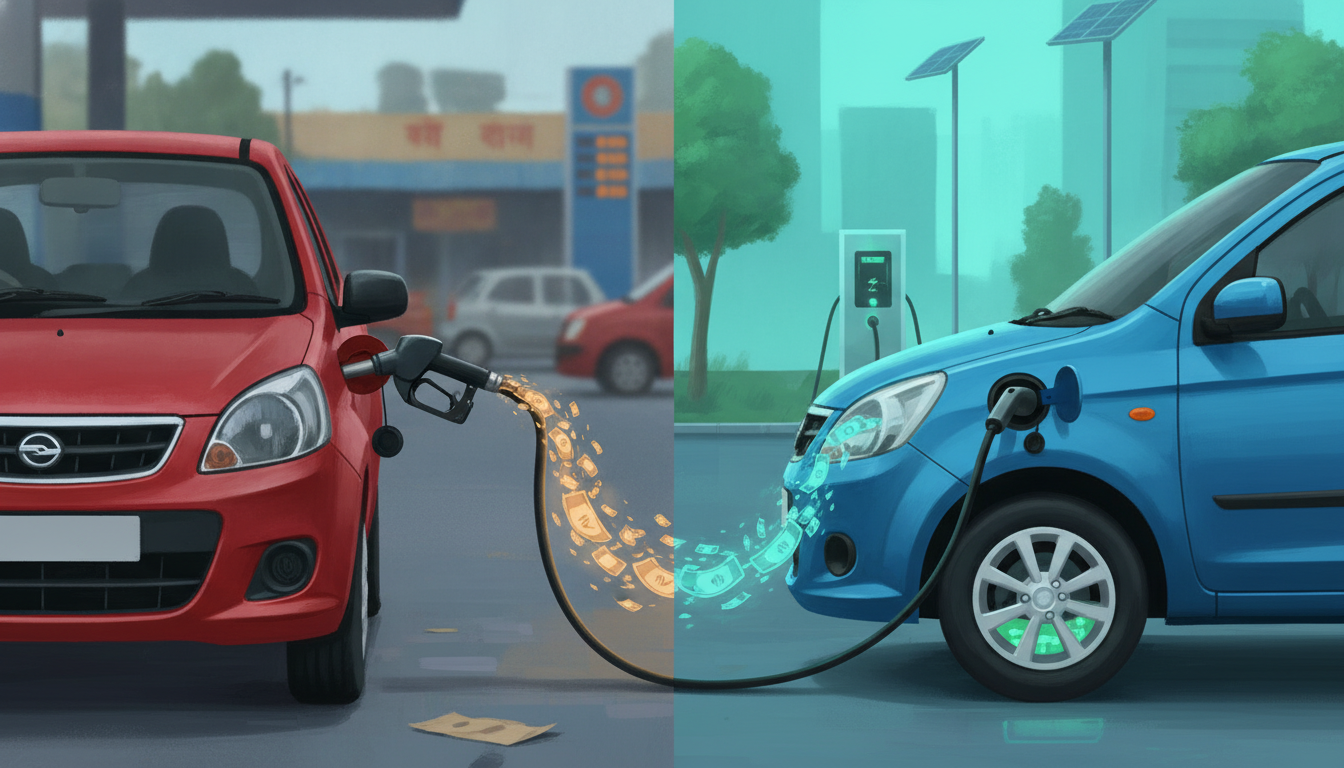
EV versus petrol: calculate your real monthly cost
Do not compare only the showroom price. Start with your average monthly kilometres, then estimate energy consumed, home-charging cost, public-charging use, insurance, service and financing. An EV typically has fewer engine-related service items, but tyres, insurance, charging equipment and battery-related risks still deserve a realistic budget.
- Record distance: use your actual last three months, not an optimistic estimate.
- Separate charging types: home electricity is usually easier to predict than highway fast charging.
- Include the charger: ask for installation, wiring, load enhancement and apartment permissions in writing.
- Compare ownership period: a higher upfront price may be easier to justify over five to eight years than over two.
Four checks to complete before booking an EV
1. Match range to your routine
Use a buffer for traffic, air-conditioning, hills and battery ageing. A claimed range is a test figure, not a promise for every season. Ask the dealer for an expected city and highway range for your exact variant.
2. Confirm charging before delivery
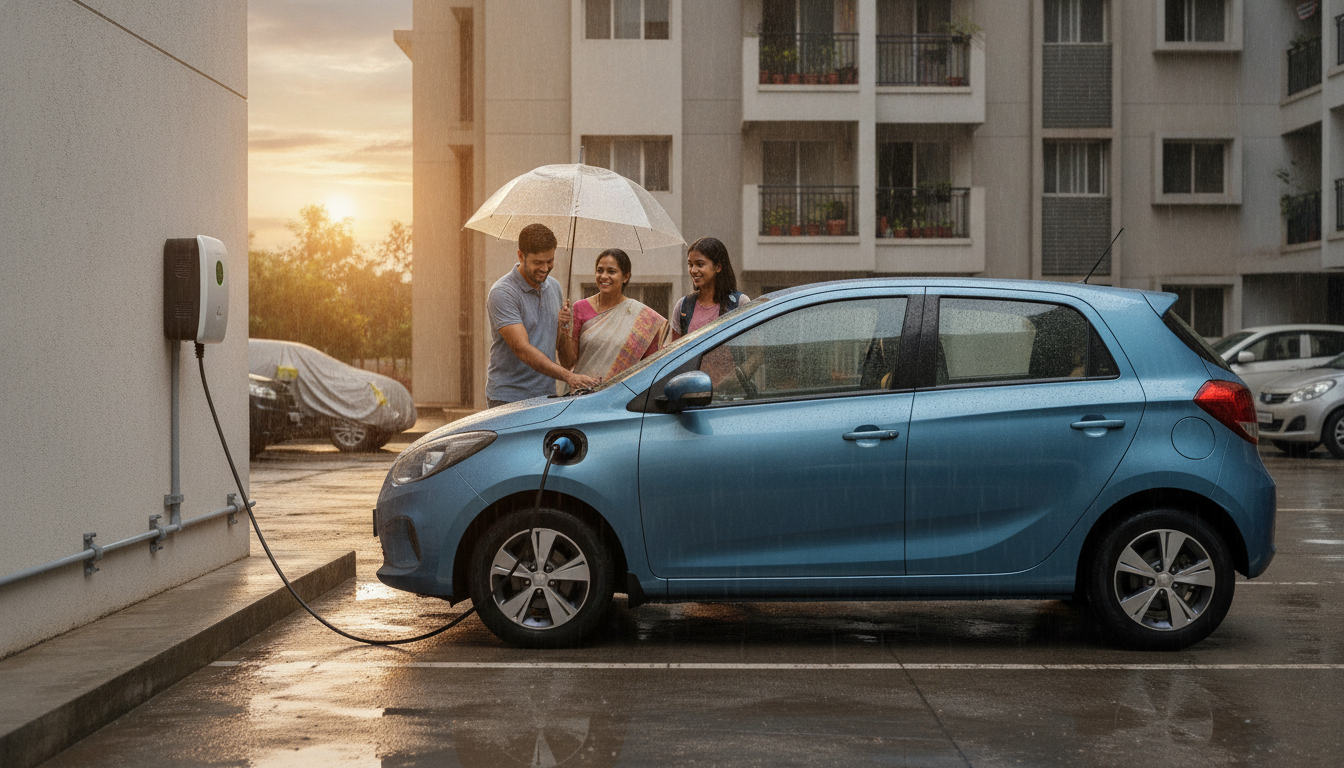
Apartment residents should check parking allocation, electrical load, metering and society rules early. Home charging is convenient only when the installation is safe, approved and physically close to the parking bay. For long trips, map chargers on your regular routes and verify connector compatibility.
3. Read the battery warranty carefully
Check years, kilometres, minimum state-of-health promise, exclusions and whether the warranty transfers to a second owner. Also ask what roadside assistance covers if the battery reaches a very low state of charge.
4. Consider safety, service and resale
Look beyond screens and acceleration. Compare crash-test information, standard safety equipment, service-centre access, parts availability and the manufacturer’s software support. Resale is still less predictable for some EVs, so a transparent battery-health report can matter when you sell.
Who should buy an electric car in 2026?
An EV is a strong shortlist candidate for a high-mileage urban driver with dependable overnight charging and a planned ownership period of at least five years. It is less convenient for someone who has no regular charging location, frequently drives through areas with limited infrastructure, or needs maximum flexibility for unpredictable long-distance travel. A hybrid, CNG or efficient petrol car may be a better fit in those cases.
Questions buyers commonly ask
Is an EV cheaper than a petrol car?
It can be cheaper to run, but the answer depends on purchase price, kilometres driven, charging tariff, finance cost, insurance and ownership period. Calculate your own break-even point instead of relying on a generic claim.
Is public fast charging enough?
It can support occasional travel, but relying on it every day may reduce convenience and increase energy cost. A regular home or workplace charging option is usually the more comfortable ownership pattern.
Bottom line
India’s rising EV adoption reflects a practical calculation: fuel costs, daily usage and charging access are becoming as important as the badge on the bonnet. Shortlist an electric car only after checking your real monthly distance, charger availability, warranty terms and long-term ownership budget. For additional context, readers can also review our Delhi EV policy buyer checks and our explainer on how payment charges can affect everyday costs.
Research note: This guide was prepared using current reporting from the BBC and ETAuto/ICRA on India’s fuel-price pressure and passenger EV penetration. Prices, incentives and charger availability can change; verify final figures with the manufacturer, electricity provider and local authorities before purchase.