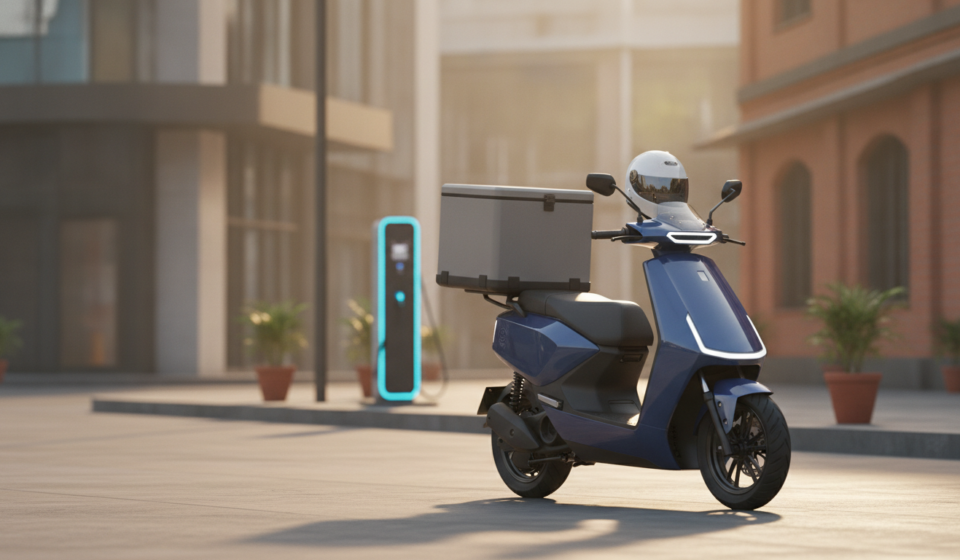

Ola Electric’s approval for a new commercial electric scooter could mark an important change in India’s electric two-wheeler market. The model is expected to target delivery operators and fleet owners rather than private commuters, putting daily running cost, uptime and service support ahead of headline performance.
Why Ola’s commercial scooter matters now
According to live business-news reporting, Ola Electric has received approval for a commercial electric scooter and is expected to introduce it in the current quarter. The company has not yet disclosed the complete price, battery specification or final range, so buyers should treat early figures as expectations rather than confirmed specifications.
The timing is significant. India’s delivery, courier and quick-commerce businesses are looking for vehicles that can run for long hours with predictable energy costs. A purpose-built product could also help Ola separate fleet requirements from the needs of its consumer scooter range.
What fleet buyers will want to know
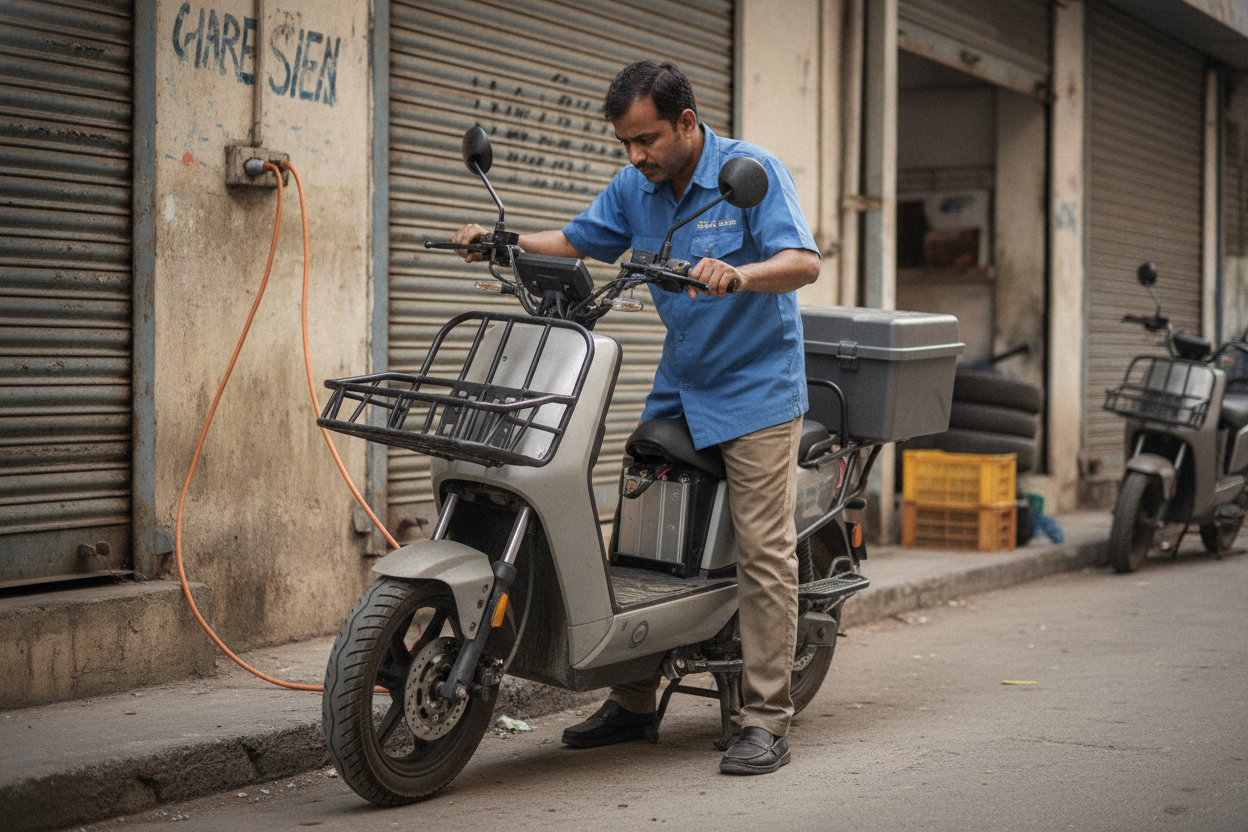
The most important details are still pending. Fleet operators will look for a usable real-world range, charging time, battery warranty, payload rating and the ability to replace or repair high-wear parts quickly. A scooter that spends less time charging but more time waiting for service will not deliver the promised productivity.
- Range under load: delivery boxes, a rider and frequent stop-start traffic can reduce range versus laboratory claims.
- Battery resilience: operators need predictable performance across repeated daily charging cycles.
- Service reach: workshop availability and spare-part turnaround can matter more than a small difference in top speed.
- Finance and uptime: lease terms, warranty coverage and roadside support will shape the total cost of ownership.
How it could compete with petrol fleet scooters
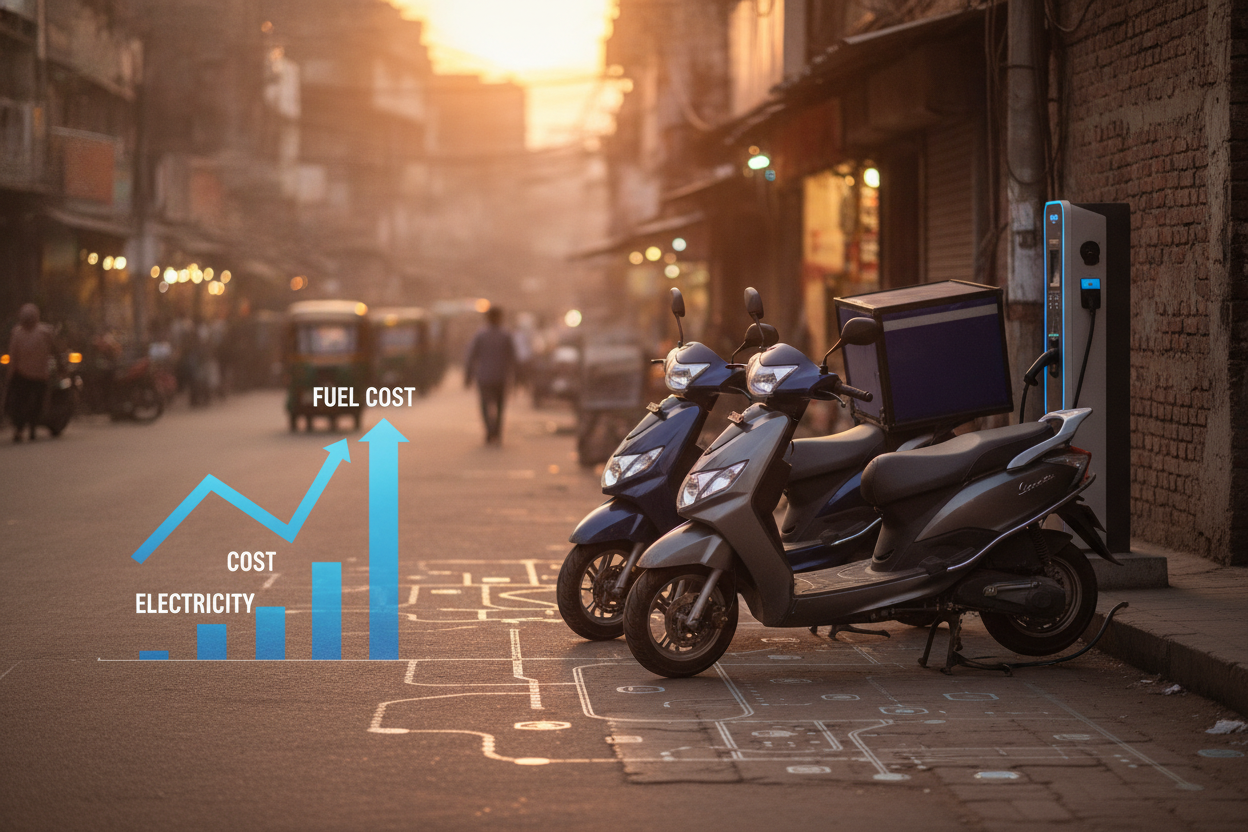
Electric powertrains can reduce energy and routine-maintenance costs, particularly for high-mileage operators. However, the comparison must include charging hardware, electricity tariffs, downtime, battery replacement risk and financing. Private buyers can use the same framework when comparing this type of scooter with established options such as the BGauss C12 MaxR or other practical electric scooters.
Ola’s wider technology story will also influence interest. Readers considering the next generation of electric two-wheelers can compare the commercial proposition with the platform discussion in our Ather EL platform explainer, while remembering that a fleet vehicle has different priorities from a premium personal scooter.
Questions that remain before launch
Ola still needs to reveal the commercial scooter’s exact launch date, price, battery capacity, warranty and sales channel. It is also unclear whether the model will be offered directly to individual delivery riders, sold through fleet partnerships, or made available through a leasing arrangement.
Buyer verdict: promising, but wait for the numbers
The approval is a meaningful signal that commercial electric two-wheelers are becoming a serious product category, but approval alone does not establish value. Fleet owners should wait for independently useful range data, a transparent warranty and a service plan before committing. If Ola combines a competitive acquisition cost with dependable uptime, its commercial scooter could become a relevant alternative for India’s high-mileage urban delivery market.
Frequently asked questions
What is Ola Electric’s new commercial scooter?
It is an upcoming electric two-wheeler intended for commercial use such as delivery and fleet operations. Ola has not yet published all production specifications.
When will the scooter launch?
Current reporting points to a launch in the present quarter, but the confirmed date, price and final range should be checked against Ola’s official announcement.
Should private buyers consider it?
Only if the final payload, comfort, warranty and charging package suit their use. A commercial model may prioritise durability and operating cost over features expected in a personal scooter.