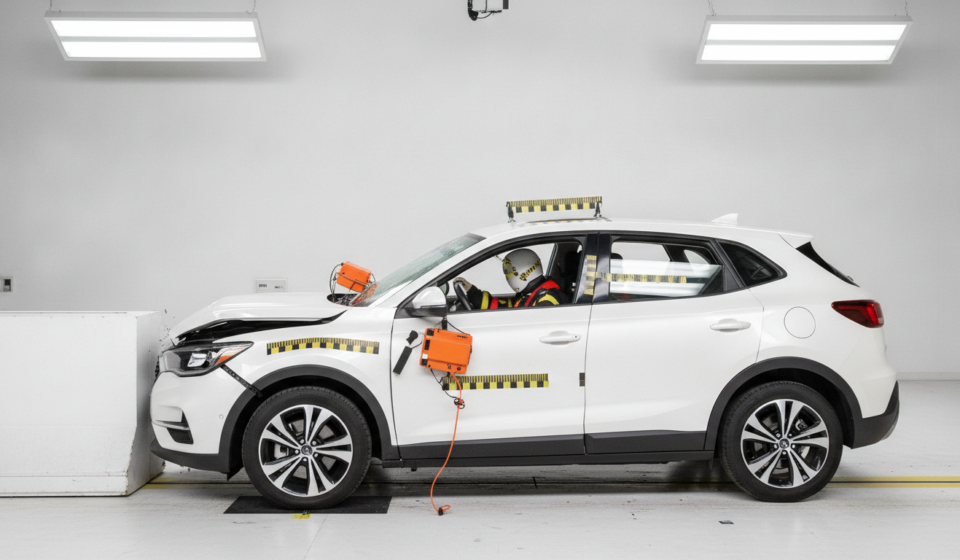

India’s car-safety conversation is set to broaden. Bharat New Car Assessment Programme (Bharat NCAP) 2.0 is planned to take effect from October 2027, with a proposed move beyond crash protection for occupants towards crash avoidance, pedestrian safety and what happens after an impact. For anyone comparing cars today, the important question is not whether a new badge will appear overnight, but how to read safety claims while the rules are still developing.
In brief: the October 2027 timeline has been announced as the intended start of the next phase. A detailed 100-point framework and tougher test requirements have been described in proposed rules; they should not be treated as final specifications until formally adopted. Buyers should continue comparing current, model-specific ratings and standard safety equipment rather than postponing a purchase solely for a future rating change.
What is Bharat NCAP 2.0?
Bharat NCAP is India’s consumer-facing vehicle assessment programme. The next phase, described by Union road transport minister Nitin Gadkari at the SIAM Annual Convention, is intended to evaluate more of the safety chain: preventing a crash where possible, protecting people outside the vehicle, and supporting evacuation and care after a crash.
That wider scope matters because a star rating is most useful when shoppers understand what it measures. Crashworthiness remains central, but active safety systems, pedestrian protection and post-crash provisions can affect how a vehicle performs before, during and after an incident.
What changes are proposed—and what is still not final?
Reporting on the proposed AIS-197 revision describes a 100-point assessment across five areas: crash protection, vulnerable-road-user protection, safe-driving features, crash-avoidance technology and post-crash safety. The proposal also outlines additional impact tests, standard curtain airbags and electronic stability control (ESC) as conditions for earning a star rating. These are proposals, not a guarantee that every detail will reach the final programme unchanged.
The reported draft sets a proposed minimum of 70 points for five stars from 2027, rising to 80 points from 2029. Those thresholds, test speeds and equipment rules should be checked against the final government notification when issued. A planned start date does not make every draft detail final today.
What should car buyers do now?
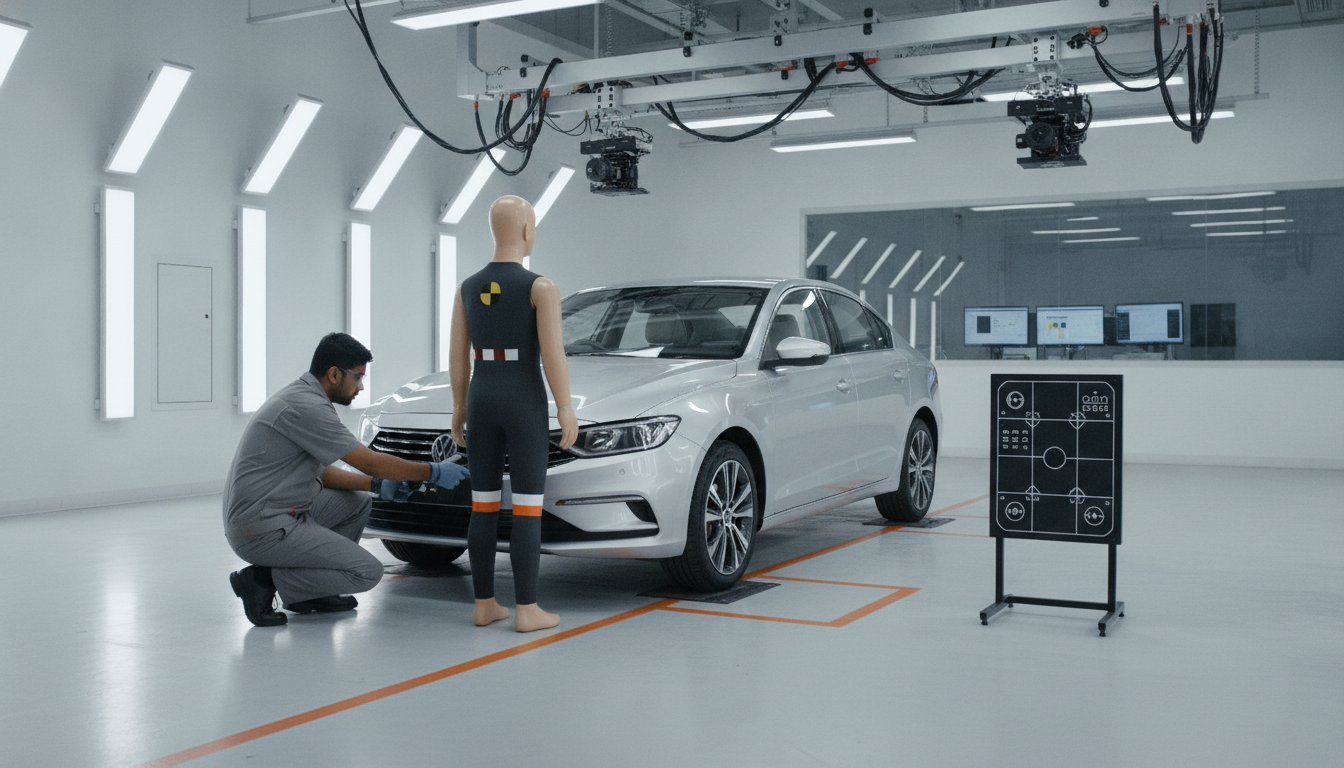
Do not choose a vehicle on a star count alone. Compare the exact variant tested with the variant you intend to buy, and check whether important safety equipment is standard or restricted to higher trims. A model name can cover several versions with different airbags, electronic aids and body configurations.
- Check the exact rating and test date: confirm that the result applies to the same generation and configuration on sale.
- Read beyond the headline stars: look for adult and child occupant protection details and the specific test protocol.
- Check standard equipment: verify the number and type of airbags, ESC and other safety features on your chosen trim.
- Understand ADAS limits: driver-assistance systems can help in defined conditions, but they do not replace attentive driving.
- Compare fit for use: child-seat compatibility, visibility, braking behaviour and service support matter in everyday ownership too.
If you are inspecting a new vehicle at delivery, use our new-car delivery checklist to record equipment and condition before accepting it. For shoppers weighing upcoming models against a current purchase, see our October 2026 car-launch guide.
Why pedestrian protection and crash avoidance matter
India’s roads bring cars into close contact with pedestrians, cyclists and two-wheelers. A test programme that gives greater weight to vulnerable road users can encourage manufacturers to consider the vehicle’s front-end design as well as occupant protection. Crash-avoidance assessments can also make safety technology easier for buyers to compare—provided that the rating explains what the system was tested to do.
For drivers, the practical takeaway is modest but important: safety technology is a backup, not permission to drive faster or look away. Features such as automatic emergency braking or lane support can have operating limits, and their availability and performance vary by model and trim.
What the wider safety chain could mean
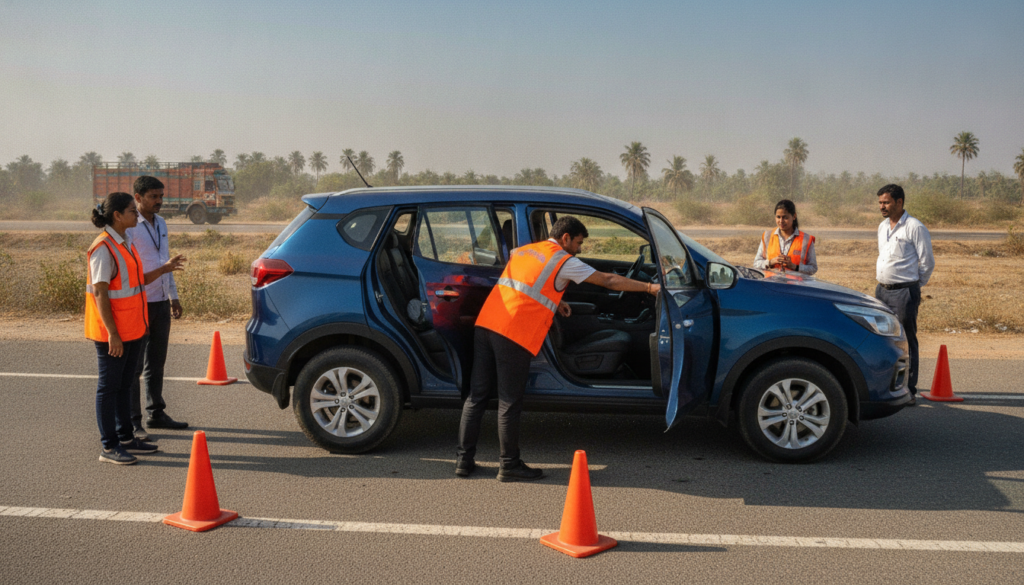
Bringing crash prevention, pedestrian protection and post-crash response into the same conversation may make future ratings more comprehensive. It could also make comparisons less straightforward at first: a new score will need clear explanations, transparent test results and a way to distinguish the new protocol from older ratings.
Manufacturers have been invited to contribute technical suggestions, and the final implementation details remain subject to the official process. Buyers should look for the published test protocol and vehicle-specific results rather than assuming that a higher or lower number across different programme versions is directly comparable.
Bharat NCAP 2.0: buyer questions answered
When is Bharat NCAP 2.0 expected to begin?
The government has indicated that the next phase is planned for October 2027. The final rules and implementation details should be confirmed through official notifications.
Will every car get a new rating in October 2027?
Not necessarily. The programme’s planned start does not mean every model will be tested or re-rated on that date. Check whether a specific vehicle has a published result under the relevant protocol.
Is the proposed 100-point score already final?
No. The 100-point structure and its proposed categories have been reported as part of draft rules. Treat the details as provisional until the final framework is officially notified.
Should I wait until 2027 to buy a safer car?
There is no one-size-fits-all reason to wait. Compare currently available models using their applicable test results and standard equipment, then consider your budget and need. A future rating programme can improve information, but it does not replace a careful choice today.
Will ADAS guarantee crash prevention?
No. Driver-assistance technology may help in certain situations, but it has limits and cannot guarantee that a crash will be avoided. Drivers must remain attentive and follow the vehicle maker’s instructions.
The bottom line
Bharat NCAP 2.0 is planned to make India’s vehicle-safety conversation broader, with more focus on prevention, people outside the vehicle and post-crash response. The direction is meaningful, but the detailed scorecard remains provisional until the final rules are published. For now, compare model-specific evidence, check equipment on the exact variant and revisit the official protocol as the 2027 rollout approaches.
Reporting basis: Autocar India’s 3 September 2026 report on the planned programme and proposed AIS-197 revision. Draft provisions in this article are identified as proposals and may change.