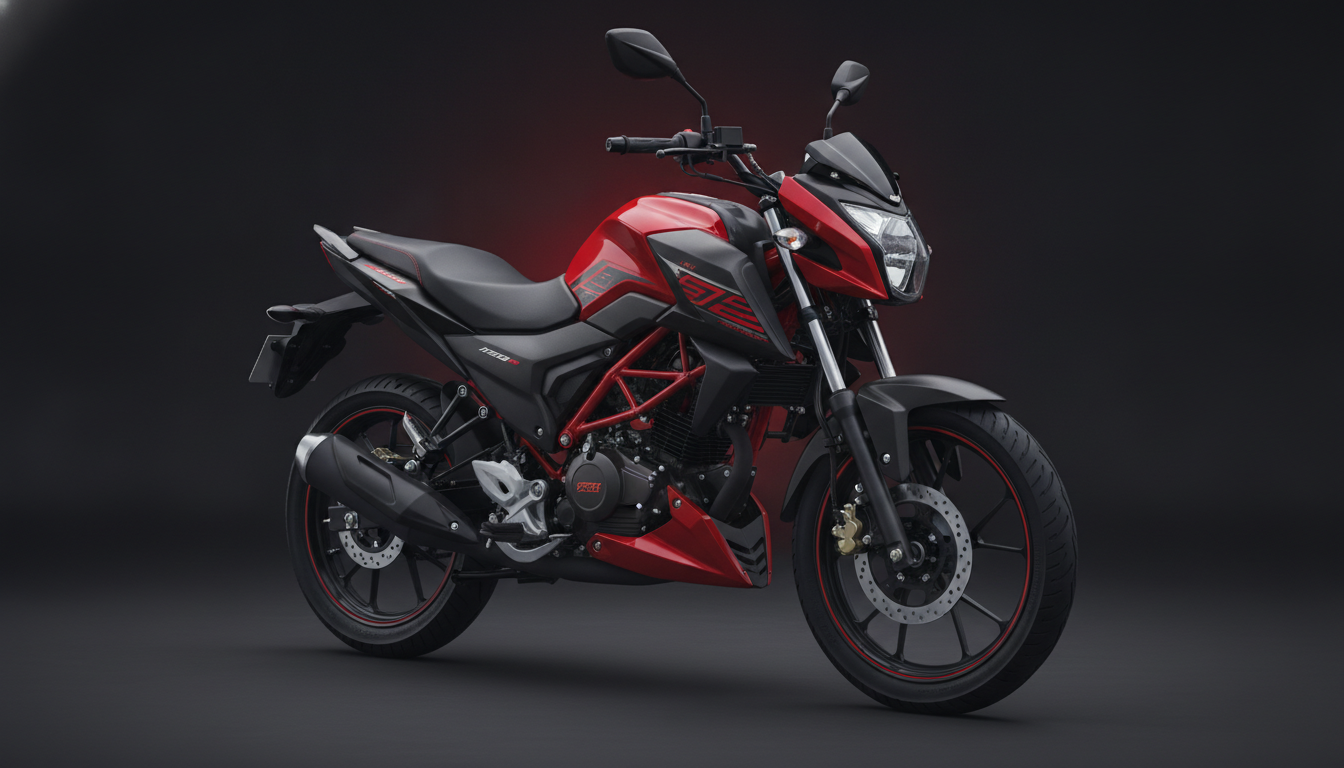

Bajaj Auto is preparing one of its biggest updates to the Pulsar range this year. The new Bajaj Pulsar 125 and Pulsar 150 are scheduled to launch in India on 24 August 2026, putting two of the country’s best-known commuter motorcycles back in the spotlight. For buyers, the important questions are not only what changes, but also whether the update improves everyday comfort, safety, efficiency and value.
Bajaj Pulsar 125 and 150 launch date
Bajaj Auto has announced 24 August 2026 as the launch date for the new Pulsar 125 and Pulsar 150. The motorcycles are expected to be revealed together, although final variant names, specifications and prices will be confirmed at the event. Bookings, deliveries and city-wise availability may therefore differ after the launch.
Expected design and feature changes
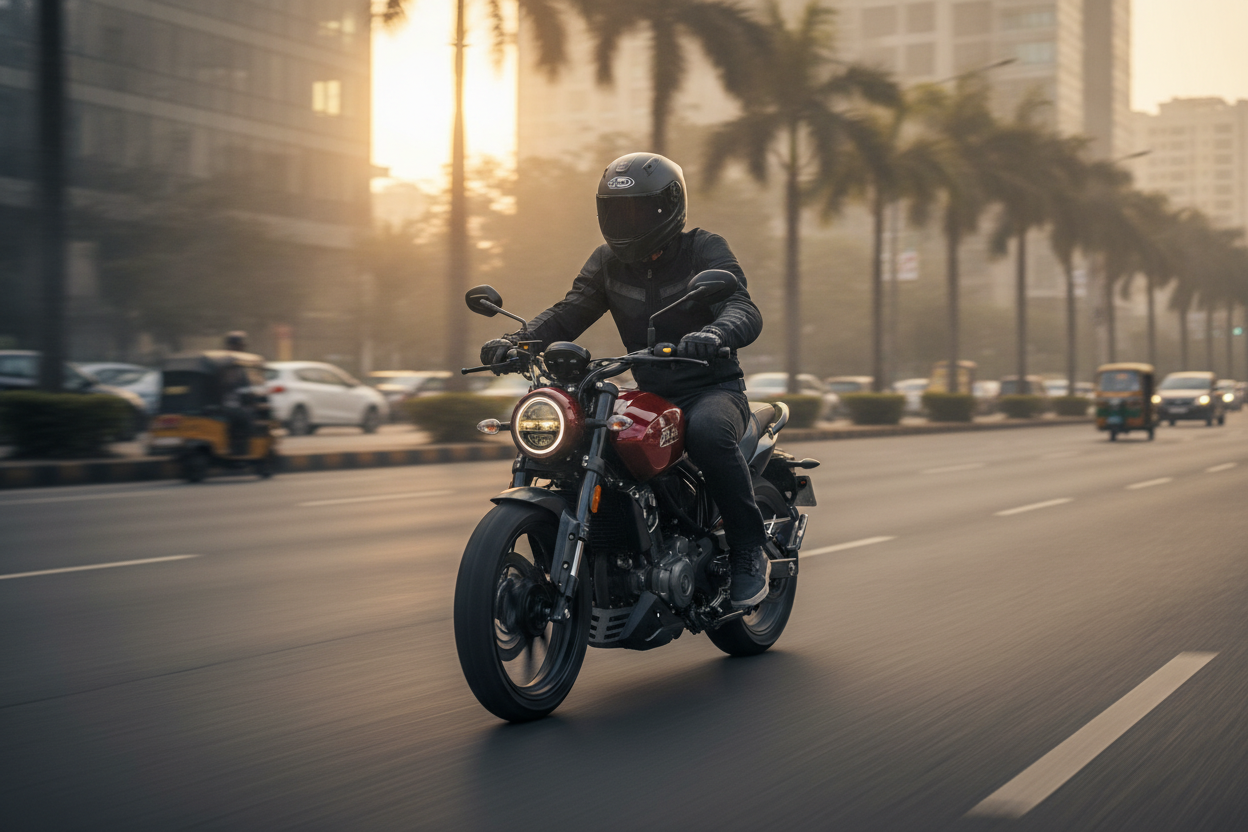
The Pulsar name is likely to retain its familiar muscular tank and sporty street-bike stance, while the 2026 update could bring a sharper lighting signature, revised body panels and new colour options. Buyers should look for a fully digital instrument cluster, improved switchgear, USB charging and stronger everyday convenience equipment. These details matter more than a dramatic styling change when a motorcycle is used for a daily commute.
Safety will also be a key part of the update. Depending on the variant, riders should check for single-channel ABS, a more informative display, better tyres and improved braking hardware. Do not assume that every feature shown on a top trim will be standard across the range; compare the variant list before booking.
Engine, mileage and riding expectations
The 125cc version should continue to focus on light controls, smooth low-speed performance and low running costs. The 150cc motorcycle is expected to offer stronger acceleration for riders who regularly use highways or carry a passenger. Exact power, torque and mileage figures should be treated as provisional until Bajaj publishes the official technical sheet.
Real-world fuel economy will depend on traffic, tyre pressure, riding style and service condition. A sensible test ride should include slow-moving traffic, an open stretch and a passenger if possible. That is the best way to judge clutch weight, heat management, suspension comfort and the usable spread of performance.
Expected price and rivals
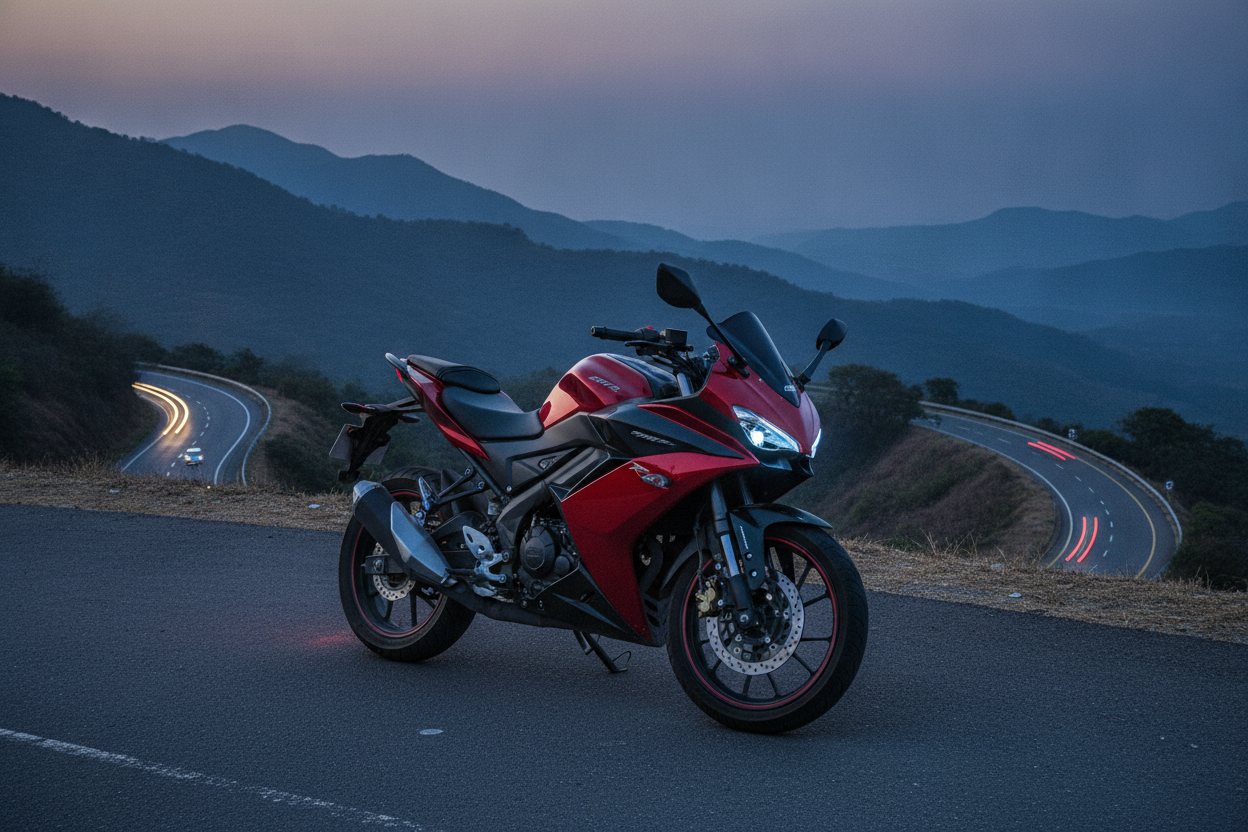
Bajaj has not confirmed the final ex-showroom prices at the time of writing. The 125cc model should remain positioned as an accessible daily motorcycle, while the 150cc version will likely command a premium for its extra performance and equipment. Buyers should compare the on-road price, insurance, warranty and service costs rather than focusing only on the headline ex-showroom figure.
Likely alternatives include the TVS Raider, Honda SP 125, Hero Xtreme 125R, TVS Apache RTR 160 and other commuter-focused street motorcycles. A useful comparison should cover seat height, kerb weight, braking equipment, service reach and pillion comfort. Our 2026 vehicle buying guide explains the same budget-and-use-case approach for shoppers comparing different types of vehicles.
Should you wait for the new Pulsar?
Waiting makes sense if you are not in a hurry and want to compare the official features, price and warranty before choosing a commuter motorcycle. Existing Pulsar stock may receive discounts, but an older unit should be purchased only after checking the manufacturing month and the exact safety equipment. If you need a motorcycle immediately, shortlist the current alternatives, take proper test rides and avoid booking based solely on teaser images.
Frequently asked questions
When will the new Bajaj Pulsar 125 and 150 launch?
The reported launch date is 24 August 2026. Bajaj will confirm specifications, variants, prices and delivery timelines at or around the event.
What mileage will the new Pulsar deliver?
Official mileage has not been confirmed. Expect actual fuel economy to vary with engine size, traffic, load, speed and maintenance.
Who should choose the Pulsar 125 or 150?
The 125 should suit buyers prioritising easy commuting and running costs. The 150 should be considered by riders who want quicker overtaking and more comfortable highway performance.
For readers tracking more launches, see our guide to upcoming cars in August and September 2026 and our practical India EV buying guide.