
Advanced driver-assistance systems (ADAS) are often treated as a luxury-car extra. That could begin to change: Suzuki says it is developing a lower-cost system intended for future Indian vehicles, with core safety functions potentially reaching more affordable models. For buyers, the important question is not simply whether a car says “ADAS” on its brochure, but which functions it actually provides, how they behave on local roads and whether they are included in the variant you can afford.
The development was reported by Autocar India on September 29, 2026, based on Suzuki’s technology strategy briefing. The company is exploring a camera-and-AI-based approach to reduce cost, while integrating driver and occupant monitoring. Suzuki has not announced a production model or launch date, and its stated performance targets are not the same as independent test results.
What Suzuki’s lower-cost ADAS plan actually says
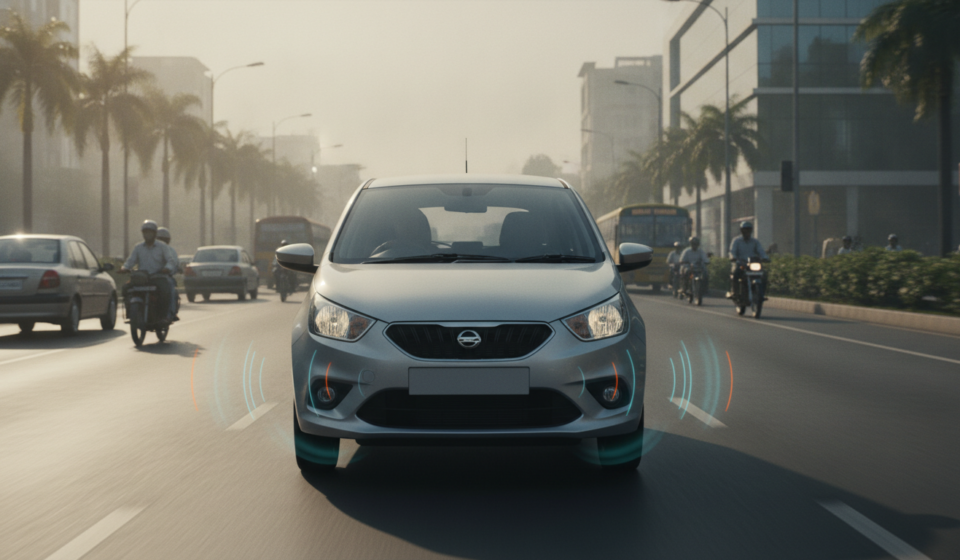
Suzuki describes its approach as “just-right ADAS”: make selected accident-prevention features more widely available, while keeping convenience-oriented technology for higher trims. The functions specifically discussed include automatic emergency braking and lane-departure prevention. The reported hardware direction uses high-resolution cameras and AI chips and aims to avoid a front radar sensor, which could help reduce system cost.
This remains a development plan, not a confirmed equipment list for a car currently on sale. Suzuki has not said which future models will receive the system or when it will arrive. The distinction matters for anyone comparing cars today: do not assume that a future company-wide ambition means a particular showroom model has those features.
Why camera-based assistance could matter for mass-market cars
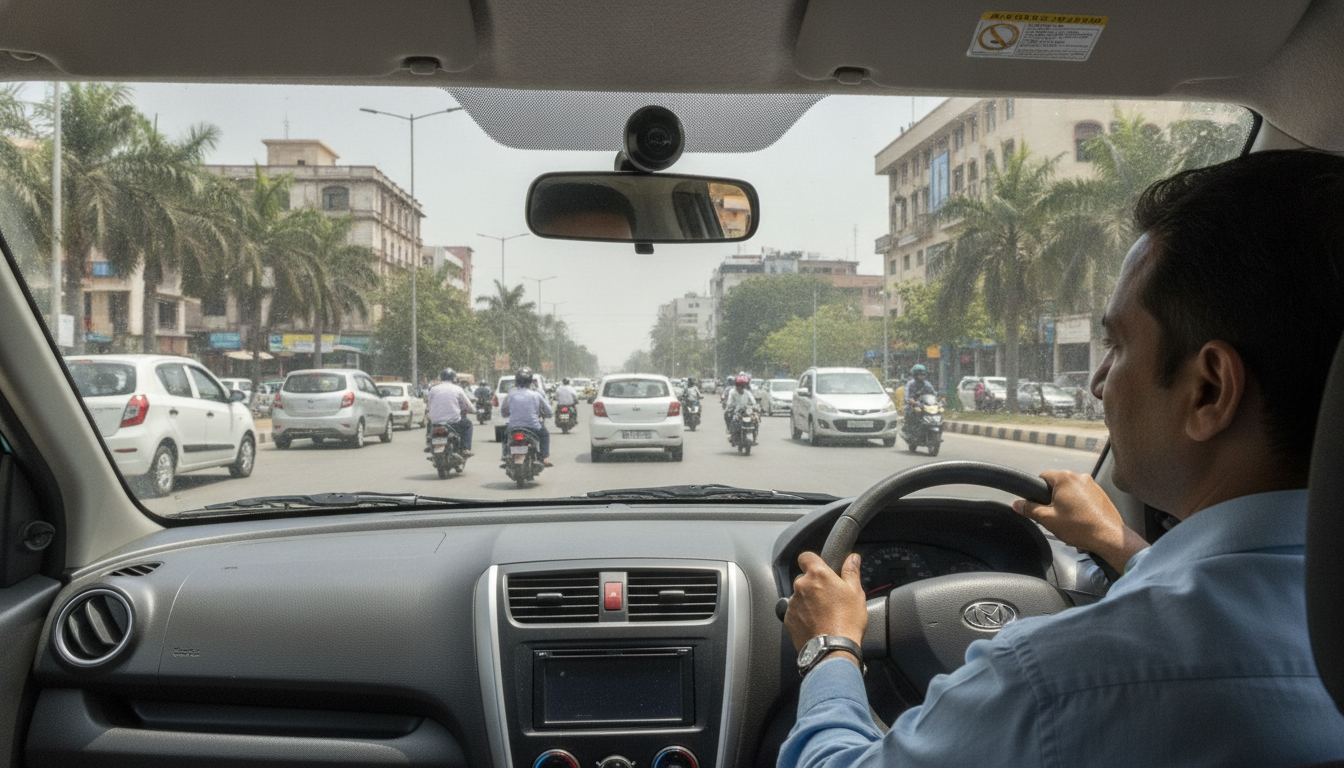
Radar, cameras, processors and software all add cost and complexity. A camera-led system could help a manufacturer broaden access if it can deliver reliable performance at a lower price. But “camera only” is not automatically safer or less safe: the result depends on sensor quality, software calibration, visibility, road markings, vehicle design and how the system is tested and maintained.
Indian driving conditions make real-world validation especially important. Faded lane markings, mixed traffic, two-wheelers filtering through gaps, glare, rain, dust and sudden roadworks can challenge assistance features. A lane function that works well on a clearly marked expressway may be less useful on a crowded or poorly marked urban road. Drivers should understand when a function is active, when it may disengage and what warnings the car gives.
ADAS buyer checklist: what to verify before booking
- Check the exact variant. Confirm whether automatic emergency braking, lane-departure warning or lane-keeping assistance is included on the specific trim—not merely available somewhere in the model range.
- Ask what each feature does. Emergency braking may warn, brake, or do both; lane departure warning may only alert, while lane-keeping assistance may apply steering input. Get the owner’s manual or a written feature list.
- Clarify operating limits. Ask about speed ranges, road-marking requirements, weather limitations, driver monitoring and situations where the system may be unavailable.
- Test the alerts and controls. During a safe dealer demonstration, learn how to switch functions on or off, adjust warning settings and respond to dashboard messages. Never test emergency intervention in public traffic.
- Check repair and calibration support. A windscreen replacement or front-end repair can affect sensors. Ask whether calibration is required, where it can be done and what it costs.
- Keep the safety basics in view. ADAS is a driver aid, not autonomous driving. Seat belts, safe speed, attention and following distance remain essential.
What is still unknown—and what buyers should do now
Suzuki has not disclosed a production launch timeline, model list, variant pricing or independent results for this lower-cost system. Its stated goal of major cost reductions and equal-or-better safety performance should therefore be treated as a target, not a verified outcome. The company has also described broader electronic-architecture work, but those plans do not by themselves confirm a customer-facing feature or a price reduction.
If you are buying soon, compare the safety equipment that is fitted and documented today. If your purchase can wait, follow official model announcements and look for clear explanations of the system’s functions, limitations and test performance. For a broader perspective on how Indian vehicle-safety standards may evolve, see our guide to Bharat NCAP 2.0 and the proposed 2027 changes.
Bottom line
A lower-cost ADAS package could make useful crash-avoidance technology more accessible, but the value will depend on the production system—not the promise alone. Until Suzuki names the cars and publishes specifications, shoppers should treat this as an important development to watch, verify equipment variant by variant and never mistake assistance for self-driving.
Frequently asked questions
What ADAS features is Suzuki considering for more affordable Indian cars?
The reported plan identifies automatic emergency braking and lane-departure prevention as core functions Suzuki wants to make more widely available. The company has not published a finalized production specification.
Will Suzuki’s lower-cost ADAS be available on a specific model soon?
No model or launch date has been announced for this developing system. Check official variant specifications when a production vehicle is revealed rather than assuming it will arrive on a particular car.
Does camera-based ADAS mean a car can drive itself?
No. Functions such as emergency braking or lane assistance support the driver within defined limits. The driver must remain attentive, follow the manual and control the vehicle.
Should I wait to buy a car for this ADAS system?
Only if your timing allows and you are specifically interested in waiting for a future announcement. There is no confirmed launch date or model list yet, so compare current cars on their available safety equipment, price and overall suitability.
Source: Autocar India, “Suzuki developing lower-cost ADAS that could reach affordable cars,” September 29, 2026. Company plans and performance targets are described as reported; production details remain unconfirmed.