


Delhi’s proposed Electric Vehicle Policy 2026–2030 could materially change the cost of buying and running a cleaner car in the capital. The headline proposal is especially significant for private-car buyers: a battery-electric car with an ex-showroom price of up to ₹30 lakh could qualify for a 100% waiver on road tax and registration fees. Strong hybrids are also listed for a partial benefit.
However, this is a policy proposal whose final notification and operating rules matter. Buyers should not treat a headline exemption as a guaranteed showroom discount. Here is what the current proposal says, how it may affect the on-road price, and what to check before booking an EV in Delhi.
Delhi EV Policy 2026: the key proposal in brief
- Battery-electric cars: 100% waiver of road tax and registration fees for cars priced up to ₹30 lakh ex-showroom.
- Cars above ₹30 lakh: the proposed exemption would not apply.
- Strong hybrids: a 50% waiver on road tax and registration fees is proposed.
- Two-wheelers: incentives are linked to battery capacity and reduce over the first three years, subject to price and maximum caps.
- New buildings: the proposal calls for new buildings and infrastructure projects to be EV charging-ready.
- Policy horizon: the proposed framework is intended to run until March 31, 2030, from its notification date.
How much could an electric car buyer save?
The saving depends on the vehicle’s ex-showroom price, Delhi’s applicable registration calculation, insurance, dealer charges and the final wording of the notification. Road tax and registration are separate from the ex-showroom price, so the benefit may reduce the on-road amount rather than the advertised price of the car.
For example, a qualifying EV priced below the ₹30-lakh threshold may avoid charges that a comparable petrol car would normally attract. But buyers should request two written quotations: one assuming the exemption and one showing the charges if the benefit is delayed or unavailable. This makes the real saving visible and prevents a vague “policy benefit” from being used to justify a higher dealer quote.
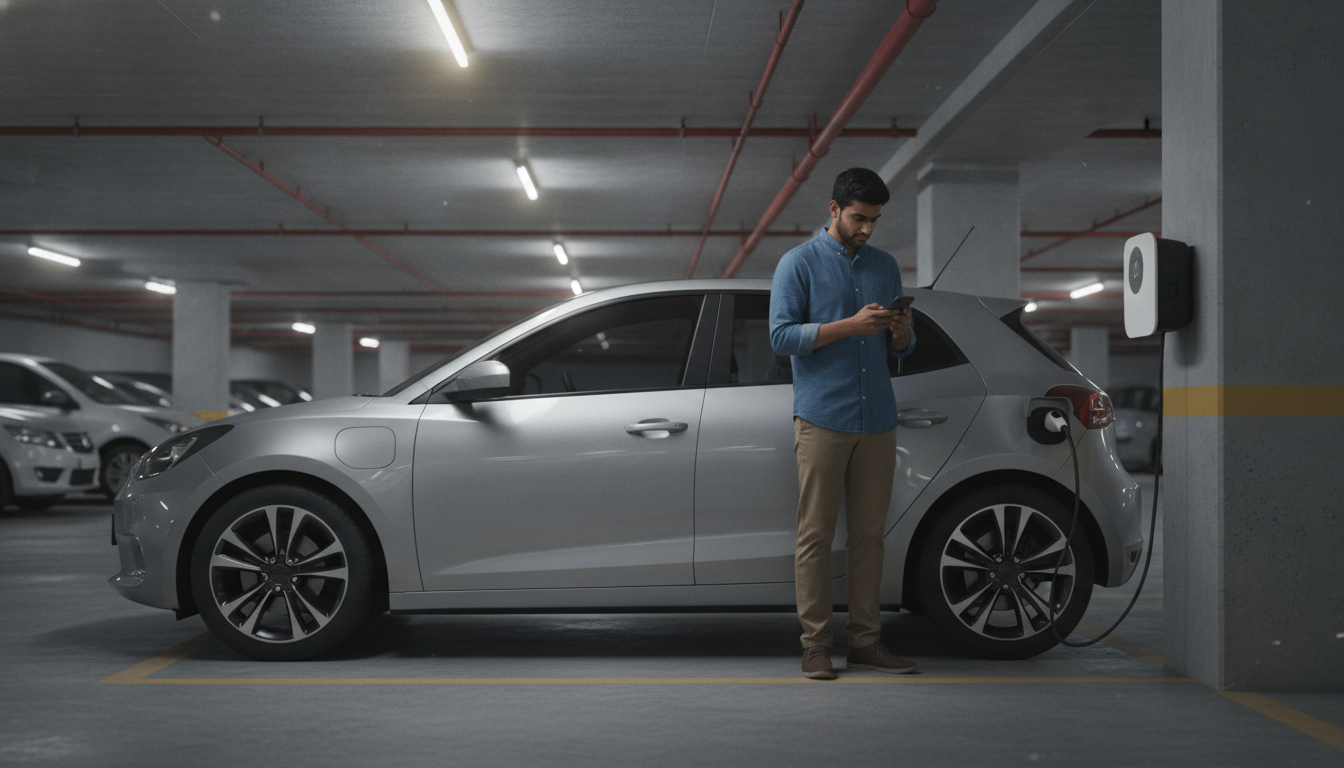
Why charging readiness may matter more than the subsidy
A tax waiver lowers the upfront cost, but daily convenience determines whether an EV works for a household. Apartment residents should confirm whether a dedicated parking bay, sanctioned electrical load, meter connection and cable route are available. Ask the housing society for its written installation process rather than assuming a private wallbox can be fitted immediately.
The charging-ready requirement for new buildings is a positive long-term signal, but it does not automatically retrofit older buildings. Before booking, check the home charger’s installation cost, expected connection time, warranty support and whether public fast chargers are available along your regular routes.
EV, strong hybrid or petrol: which buyer benefits?
Choose an EV if you can charge regularly
An EV is the strongest fit for buyers with predictable city driving, convenient overnight charging and a plan to keep the vehicle for several years. The proposed exemption can improve the upfront calculation, while lower energy and maintenance costs may help over time. Battery warranty terms and resale expectations still deserve careful comparison.
Consider a strong hybrid if charging is uncertain
A strong hybrid can suit households that want better urban efficiency without depending on a home charger. The proposal’s 50% waiver may narrow the price gap, but compare the model’s purchase price, service network and long-term running cost rather than choosing on the exemption alone.
Petrol remains the simpler choice for some use cases
Frequent long-distance travel, limited charging access or a tight purchase budget can still make a petrol car more practical. The right decision depends on total ownership cost and usage, not only the policy headline.

Delhi EV buyer checklist before booking
- Confirm the car’s ex-showroom price and whether it falls below the ₹30-lakh threshold.
- Ask the dealer to show road-tax and registration charges separately on the quotation.
- Check whether the exemption is already operational or depends on the final notification.
- Get written details of battery warranty, degradation coverage and roadside assistance.
- Obtain a home-charger installation survey and society permission in writing.
- Compare insurance, service plans, financing and resale assumptions with a petrol or hybrid alternative.
- Keep copies of every incentive document and verify the final registration receipt.
What happens next?
The proposal is designed to support cleaner transport through consumer incentives, fleet targets and charging infrastructure. The practical trigger for private buyers will be the final notification: it should clarify the start date, application process, eligible vehicle categories, treatment of already-booked cars and how dealers will process the waiver.
FAQs
Are all electric cars eligible for Delhi’s proposed waiver?
No. The current proposal sets an ex-showroom ceiling of ₹30 lakh for electric cars. Cars above that threshold would not receive the proposed exemption.
Is the waiver the same as a cash discount?
No. It concerns road tax and registration fees, which are on-road charges. The final saving and processing method will depend on the notified rules.
Should Delhi buyers wait to purchase an EV?
Wait if the purchase is flexible and the expected saving is important. If you need a car now, compare a current written on-road quote with the likely benefit and do not make a booking decision until the dealer explains eligibility clearly.
Bottom line: Delhi’s EV Policy 2026 proposal could make qualifying electric cars more attractive, but charging access and final implementation will decide the real value. Treat the ₹30-lakh threshold as a filter, not a reason to skip a full ownership-cost comparison.
Also read our India EV buying guide for 2026 and our comparison of E20 petrol, CNG and EV ownership before making a decision.
Policy details can change before final notification. Check the Delhi government’s official notification and your registration authority for the latest applicable rules.