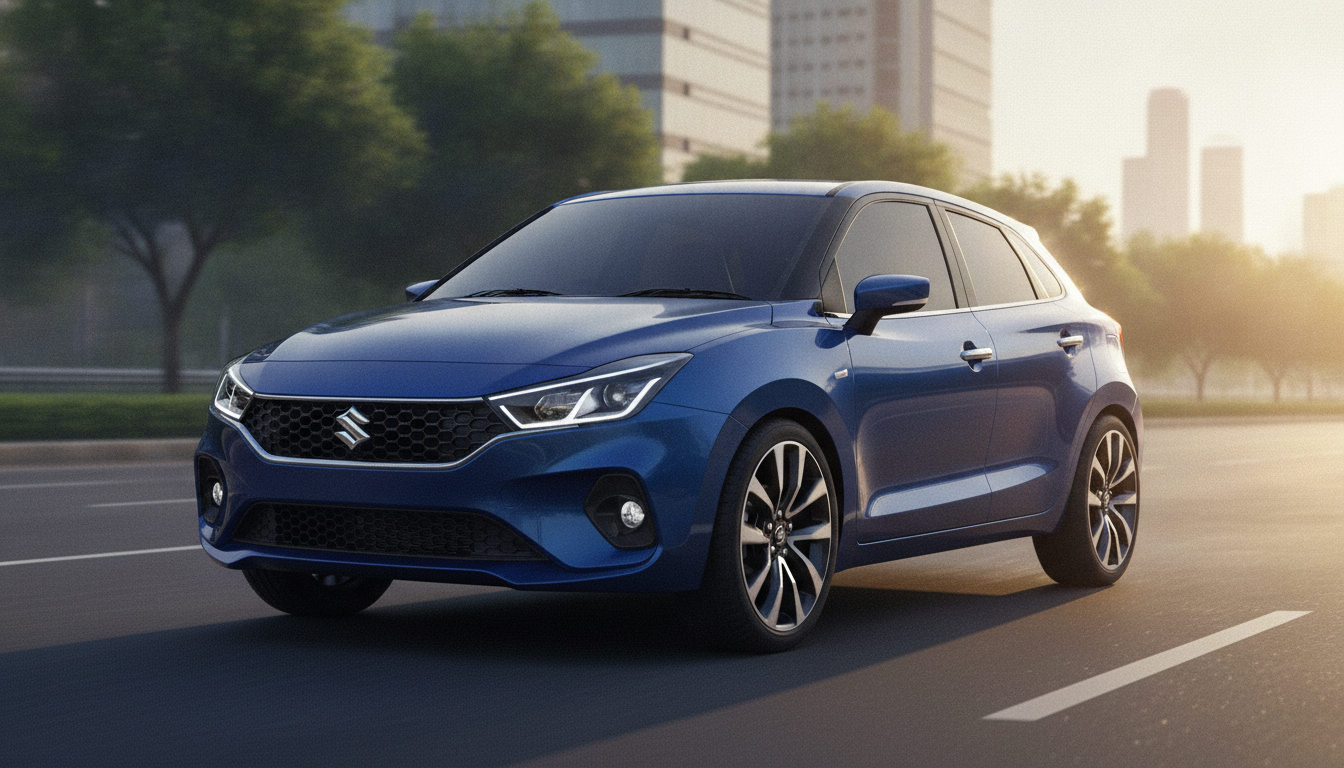

Maruti Suzuki is set to bring the Baleno facelift into the spotlight on September 5, 2026, making it one of the most closely watched mainstream hatchback updates of the month. For buyers, the important question is not simply whether the styling changes. It is whether the refreshed Baleno improves the everyday ownership details that matter: equipment, comfort, safety, efficiency and value.
The launch timing gives buyers a useful alternative to jumping straight into a compact SUV. However, Maruti Suzuki has not publicly confirmed every specification at the time of writing. This guide separates what the live launch reports establish from what buyers should verify at the showroom before booking.
What is confirmed about the Baleno facelift launch?
Current live search coverage points to a September 5 launch for the updated Maruti Suzuki Baleno. The facelift is expected to focus on design and feature-list revisions rather than a complete mechanical reinvention. That distinction matters: a familiar powertrain can be a positive for buyers who prioritise predictable servicing and proven efficiency, while a meaningful equipment upgrade can make the car feel newer in daily use.
Design changes: what buyers should inspect first
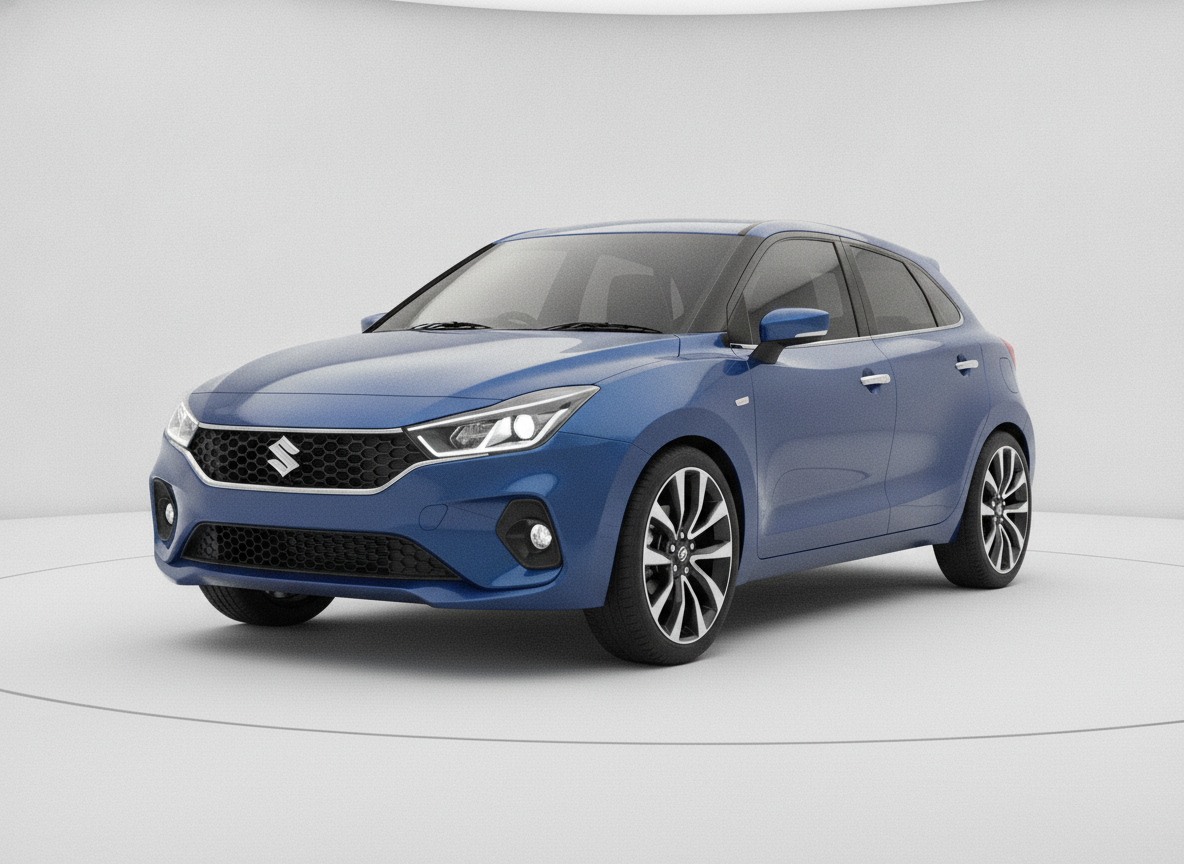
Facelifts typically use revised lighting, bumpers, grille detailing, colours and wheel designs to create a visibly fresher face. Those changes are more than cosmetic if they improve night-time visibility or make parking easier, but buyers should compare the exact variant. A feature shown in launch photography may be limited to the top trim rather than available across the range.
- Check whether LED lighting is standard or restricted to higher variants.
- Compare wheel size and tyre profile because larger wheels can affect ride comfort and replacement cost.
- Inspect boot access, rear-seat width and camera visibility rather than judging the car only from the front.
- Ask whether the claimed exterior update changes the waiting period for popular colours.
Features that could make the biggest ownership difference
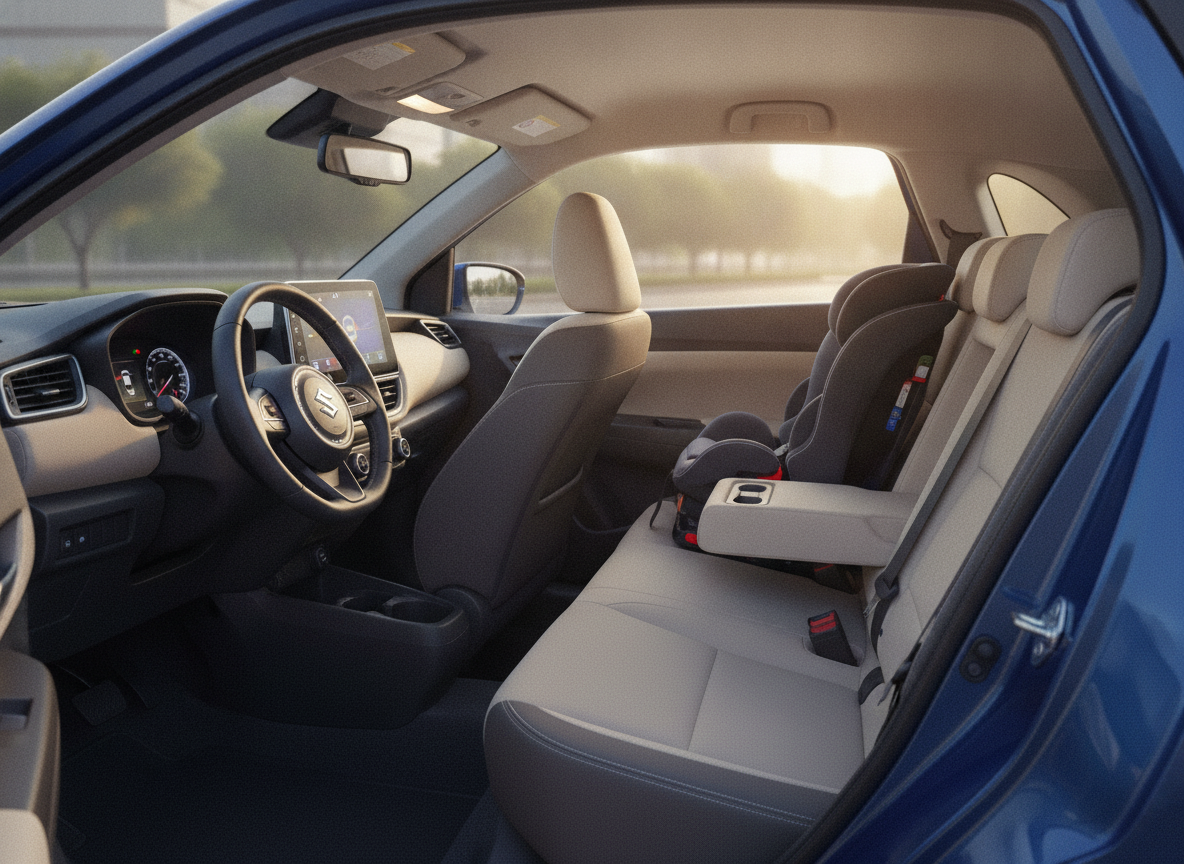
For a city hatchback, the most useful upgrades are those used every day. Buyers should look for a clear infotainment interface, wireless phone connectivity, a practical camera, automatic climate control, rear air vents if offered, and a steering wheel with intuitive controls. Safety equipment deserves equal attention: confirm the number of airbags, electronic stability support, hill-hold assistance, ISOFIX points and the exact safety rating or test status rather than relying on a generic brochure phrase.
Engine, automatic and efficiency questions
If the facelift retains the current mechanical approach, the purchase decision will come down to how well the engine and gearbox match your route. A manual may suit high-mileage owners who want control and simpler long-term expectations, while an automatic can be worthwhile for congested commutes. Take a proper test drive with air conditioning on, test low-speed response, and check whether the gearbox feels smooth during parking manoeuvres.
Do not treat an official efficiency figure as a promise of real-world economy. Ask for the certified figure for the exact variant, then budget using your traffic, passengers, tyre pressures and driving style. Also confirm fuel compatibility and the recommended service schedule in writing.
Expected price and value: how to think about it
The final price and variant walk should be confirmed at launch. A modest ex-showroom increase can still represent good value if the facelift adds meaningful safety and convenience equipment, but a higher top trim may bring the Baleno close to entry-level compact SUVs. Compare on-road price, insurance, warranty, service packages and financing—not only the headline ex-showroom number.
Baleno facelift versus a compact SUV: who should choose what?
The Baleno remains most persuasive for buyers who want a relatively easy-to-drive urban car, manageable dimensions, a usable rear seat and potentially lower running costs than a larger SUV. A compact SUV may make more sense if ground clearance, a taller seating position and rough-road confidence are priorities. Before deciding, compare the actual rear-seat comfort, luggage needs and parking environment of your household.
Smart showroom checklist before booking
- Confirm the exact variant, manufacturing month and waiting period.
- Get the complete on-road quote, including insurance and accessories.
- Verify safety equipment and warranty coverage on the order documentation.
- Test the preferred manual or automatic version in city traffic.
- Inspect rear-seat comfort with the adults who will use it most.
- Compare an official Maruti service estimate with two competing cars.
Frequently asked questions
When is the Maruti Baleno facelift launching?
Live search reports point to September 5, 2026. Buyers should confirm the launch-day variant and booking details through Maruti Suzuki channels and the nearest authorised dealer.
Will the Baleno facelift get a new engine?
The available launch coverage emphasises design and feature updates, but a final engine and gearbox list should be verified in the official specification sheet.
Should buyers wait for the facelift or buy the current Baleno?
Wait if updated equipment, a newer design and stronger resale appeal matter more than an immediate discount. Consider the current model if a dealer offer is substantial and its existing specification already meets your needs.
For broader context, compare this update with our upcoming car launches in India guide and our practical 2026 EV buying guide before making a shortlist.
Bottom line: the 2026 Baleno facelift deserves attention because it targets the high-volume hatchback buyer with a timely refresh. Its success will depend on whether the added equipment, safety specification and final on-road price justify choosing it over a discounted outgoing car or a similarly priced compact SUV.